Building Stability and Hope in Long Island
- Share
-

-

-

-

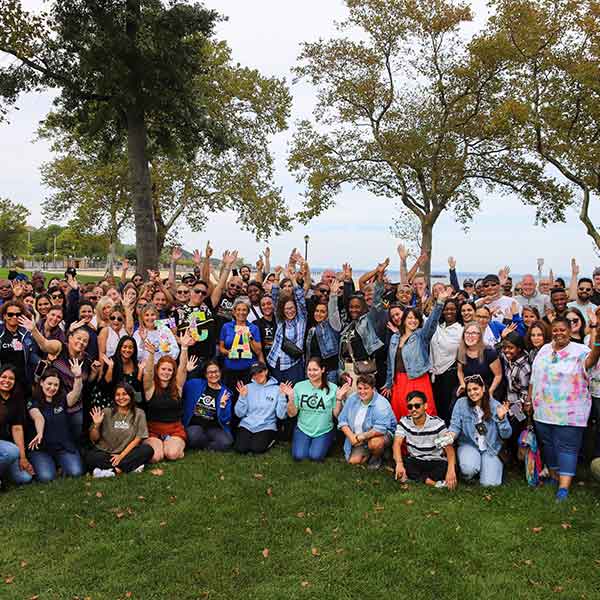
For more than a century, Family & Children’s Association (FCA) — a National Council member organization — has been a lifeline for residents of Long Island, New York. We spoke with FCA leadership to learn how they’re supporting the behavioral health needs of their community, the innovations shaping their work, and the partnerships that strengthen their impact.
Tell us about your organization. How are you supporting Long Island’s most vulnerable families, children, seniors and communities?
“FCA is one of Long Island’s oldest health and human services nonprofit organizations, supporting more than 35,000 individuals who face social, emotional and economic challenges each year. We focus on stability, safety, mental health, substance use disorder support and long-term self-sufficiency for our neighbors who need it most.”
You envision a Long Island where health, education and economic stability pass from one generation to the next. How are you turning that vision into reality?
“We offer more than 60 programs that strengthen families, expand access to mental and physical health care, support academic success and create pathways to long-term financial independence. FCA is shaping a brighter future for the next generation through prevention, early intervention and sustained support at multiple levels. Our goal is to help individuals and families navigate today’s challenges while building a lasting foundation of stability and opportunity.”
What innovations or program models at FCA are you most proud of right now?
“One of the innovations we’re most proud of is our THRIVE Recovery Community and Outreach Centers. THRIVE — a community center for Transformation, Healing, Recovery, Inspiration, Validation and Empowerment — has become a cornerstone of our recovery support system, engaging more than 10,000 individuals annually through peer-led services, recovery coaching, skill-building groups, social connection events and community outreach.
“FCA has a deep commitment to hiring people with lived experience and THRIVE is continuously shaped by the voices of those we serve. Through ongoing community feedback, we adapt, refine and expand programming so it remains relevant, responsive and accessible. This community-driven model has allowed THRIVE to grow its reach each year, so we can extend meaningful support to individuals and families across Long Island.”
Can you share a partnership that has strengthened your impact?
“Partnerships have been essential to growing and strengthening THRIVE. While peer-led services provide the foundation, a comprehensive recovery community requires broader expertise. To ensure well-rounded support, we have intentionally engaged community partners whose strengths complement our own.
“Our first center in Hauppauge was developed in partnership with the Long Island Council on Alcoholism and Drug Dependence, the Long Island Recovery Association, and Families in Support of Treatment. Our East End center in Riverhead was created alongside Human Understanding & Growth Services. These organizations bring specialized knowledge, advocacy experience and family-centered insights that enrich programming and address needs that peers alone might not be able to meet. Their collaboration helps us identify emerging needs, codevelop programming, and bring additional resources and varied perspectives to THRIVE.
“This partnership-driven approach has improved and broadened our services and reinforced THRIVE’s identity as a community-built, community-guided recovery center. By working together with trusted organizations, we’ve expanded our reach and developed a more welcoming and effective recovery support system for our region.
“At FCA, we believe in partnership and a holistic community model. We don’t believe our organizations should compete. Instead, we believe in working together to meet all the needs of our Long Island community.”
What’s one story that captures the heart of your work and the difference you make?
“There isn’t just one story — there are 35,000. Each represents an individual or family facing overwhelming challenges or emotional struggles, often not knowing where to turn for help. We step in with counseling, connect them to community resources and provide guidance so they can regain stability. Over time, they rediscover hope, build resilience and begin to thrive. That transformation is the heart of FCA.”
How are you preparing for the next chapter of behavioral health needs in your region?
“In January 2025, FCA received $265,000 in startup funding from New York state to launch a Certified Community Behavioral Health Clinic (CCBHC). CCBHCs deliver comprehensive services and coordinate care across behavioral health, physical health and social service systems, ensuring everyone — regardless of income, location or age — has access to mental health and substance use support. This investment positions FCA to meet the region’s evolving behavioral health needs with innovation and compassion.
“We’ve also expanded our lived experience model to include Sherpa, a crisis-oriented program designed to engage individuals at the highest risk of overdose, including those not yet ready to seek help. Sherpa teams meet people at critical moments, offering nonjudgmental support, secondary prevention resources, and pathways to treatment and recovery. Because Sherpa staff have walked similar paths, they can build trust quickly and effectively, even with individuals who are deeply ambivalent about change.
“The impact of employing people with lived experience across these programs is profound. Their personal understanding of addiction, recovery and underlying barriers allows them to engage people who may otherwise be difficult to reach. We see stronger rapport, higher engagement rates and increased connection to services — from treatment and recovery support to housing, benefits and long-term stability. This approach strengthens FCA’s programs while empowering those with lived experience. They can transform their own journeys into careers that inspire hope, reduce stigma and create lasting change within our community.”