- Share
-

-

-

-

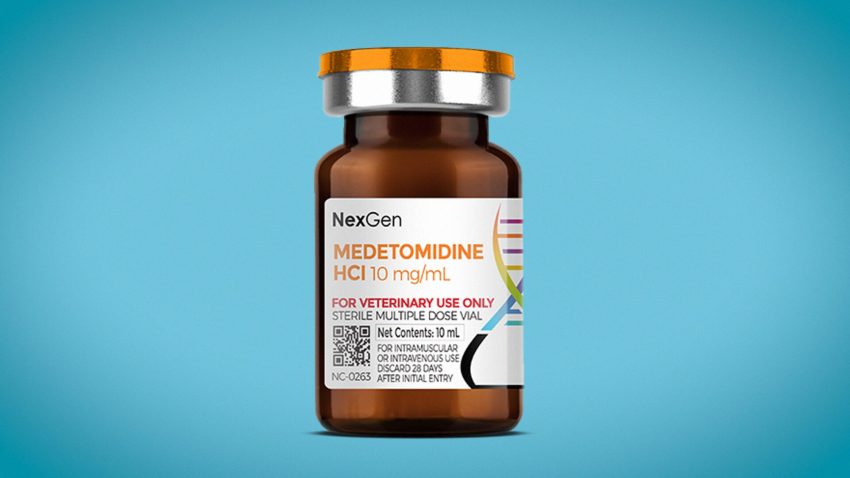
Our nation has made modest progress to reduce overdose deaths, and that’s a powerful accomplishment. But the illicit drug supply is constantly changing, and the latest shift is the introduction of medetomidine — a harmful animal tranquilizer that’s being added to fentanyl without people’s knowledge.
While this adulterant can (and should) seem scary, there’s a lot we know and can share about it.
The Basics
Medetomidine is among the newer drugs polluting the illicit drug supply and creating life-threatening risks for people who use drugs. It’s been used for veterinary purposes for decades, but its presence in the illicit drug supply became widespread around April 2024.
In Philadelphia, medetomidine has been detected in 91% of tested supplies of fentanyl, according to the Center for Forensic Science Research and Education, a national drug-checking lab.
In New York City, testing showed that up to 50% of the drug supply was contaminated with medetomidine in the past year, Daniel Rosa, MD, told me.
“We see clients who, mostly unknown to them, have suffered profound intoxication with agents adulterated with medetomidine,” said Dr. Rosa, senior medical director at Acacia Network in New York and a member of the National Council for Mental Wellbeing’s esteemed Medical Director Institute (MDI). But medetomidine often is just one of the drugs present in the substances people are using. Dr. Rosa told me that an organization that Acacia works with in New York recently tested 23 substance samples brought in by clients and found:
- All 23 samples tested positive for fentanyl.
- 19 samples tested positive for xylazine.
- Six tested positive for medetomidine, heroin, fentanyl and xylazine.
You may already be familiar with xylazine, another animal tranquilizer, which began to creep into the fentanyl supply in the early 2000s before exploding around 2017. Xylazine use is associated with large, painful wounds and heavy sedation. While medetomidine and xylazine may appear similar at first glance, medetomidine is substantially more powerful than xylazine and can cause a different set of harmful effects.
Treating Clients
Unlike xylazine, medetomidine causes two distinct reactions in the body. First, it slows the heart rate, which can cause a person to black out. Second, arguably the scariest part, is what happens when a person is in withdrawal from the drug: Heart rates and blood pressure elevate rapidly — dangerously so.
We know that when someone is showing signs of a possible drug overdose, the go-to approach should be to administer naloxone. Naloxone halts the effects of opioids like fentanyl, which data shows is nearly always present in substances that contain medetomidine.
However, because medetomidine is not an opioid, naloxone won’t address the symptoms it specifically causes.
Emergency departments may be on the frontlines and dealing with the effects of this latest threat, but National Council members like Acacia are also seeing the very real impact that medetomidine is having on people.
“We can and do treat these clients, but their withdrawal symptoms present challenges that require close monitoring at times,” Dr. Rosa said. “Medetomidine is by far more potent than xylazine, but the risk of a dangerous withdrawal is mostly dismissed by those who are unaware of its presence.”
While information about medetomidine, its effects and treatment or care techniques are still evolving, there is clear guidance we can share:
- Care providers — clinicians, peers or social services workers — should inform clients about the possibility of medetomidine in the drug supply and the severe symptoms it can cause.
- If someone is experiencing severe withdrawal from medetomidine (like chest pain, going in and out of consciousness), they should be taken to a hospital immediately.
- Anyone who may be experiencing an overdose should be given naloxone immediately, even if it’s not known what substance they’ve used.
“The MDI is tracking and working to develop responses to this really frightening new threat,” said MDI Co-chair Joe Parks, MD. “It is heartbreaking that medetomidine appeared just when we started to see signs of progress in the epidemic of substance use disorder. Withdrawal is so rapid, and the heart rate and blood pressure changes are so severe, that it requires rapid access to emergency room or ICU levels of monitoring. We urge National Council members to make every effort to repeatedly warn your patients of the severity of the risk.”
Call to Action
We will continue to gather information about this latest public health threat and will provide guidance and resources as they become available. Some resources are below.
Please like, share and repost this column so we can spread the word and gather as much guidance and insight as possible to help professionals throughout the behavioral health field adapt to the impacts of this dangerous adulterant. And remember to share your thoughts and additional resources in the comments so we can learn from one another!
Resources on Medetomidine
- Dasgupta, N. (2025, December 18). The Year in Drugs 2025. Opioid Data Lab.
- Department of Public Health, City of Philadelphia. Have You Heard of Medetomidine? [Palm Card].
- Lynch, M. J., Pizon, A. F., & Yealy, D. M. (2026, January). Emergence of medetomidine in the illicit drug supply: implications for emergency care and withdrawal management. Annals of Emergency Medicine.
- Substance Use Philly. (2026, March). Medetomidine.
- Understanding medetomidine: Emerging challenges for addiction medicine [podcast]. In ASAM Pearls.