- Share
-

-

-

-

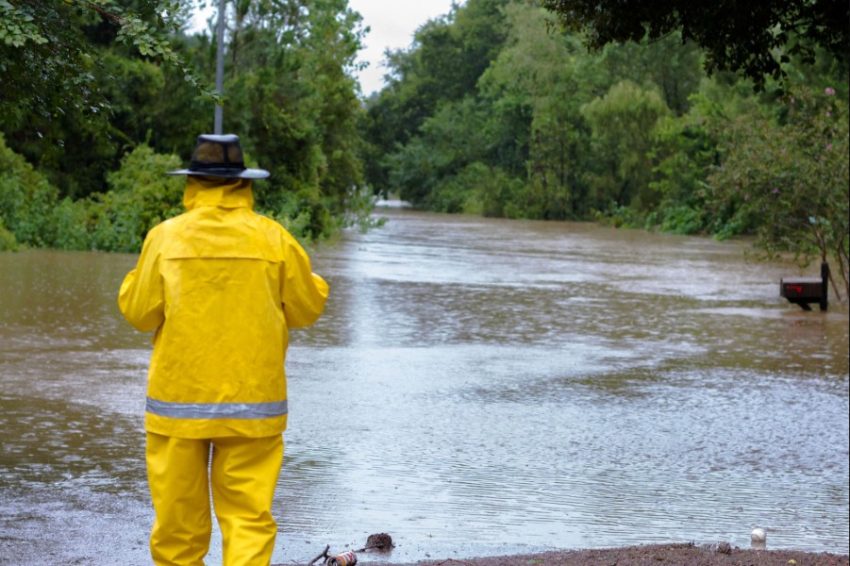
On July 4, 2025, historic flooding swept through the Hill Country region of Central Texas, forever changing communities along the Guadalupe River. More than 130 people lost their lives, thousands of homes and businesses were destroyed, and countless families faced unimaginable loss.
Helicopters filled the skies as search-and-rescue teams combed the riverbanks. Sirens echoed through devastated neighborhoods. Campgrounds that had been filled with families just hours earlier disappeared beneath rising water.
As emergency crews searched for survivors and communities began the difficult work of rebuilding, another crisis was already unfolding — one that couldn’t be measured by damaged buildings or washed-out roads.
People needed emotional support.
In the aftermath of the disaster, members of the Texas Council of Community Centers — a National Council member association — mobilized alongside local emergency responders to provide crisis counseling, emotional support and ongoing behavioral health services, helping survivors and first responders begin the long road to recovery.
Immediate Behavioral Health Response
Hill Country Mental Health and Development Disabilities Centers (MHDD Centers) are integrated into Texas’ emergency response infrastructure.
Those relationships enabled staff to mobilize quickly when disaster struck — instead of scrambling to respond, they already had a plan in place.
“Our members are connected to the local emergency response infrastructure that exists in their area,” said Lee Johnson, CEO of Texas Council of Community Centers. “The state relies on those local connections.”
Preparedness extended beyond partnerships. Before the flooding, Hill Country MHDD Centers had invested in two mobile behavioral health clinics that could be deployed directly into affected communities.
Those vans soon became supportive spaces for survivors, volunteers and first responders seeking a moment to breathe, process what had happened and connect with support.
Mobile Clinics and Community Outreach
Behavioral health professionals didn’t wait for people to come to them.
Licensed clinicians, peer support specialists and family partners met survivors where they were — even as they came off the riverbanks — providing emotional support, crisis counseling and referrals for ongoing care.
Sometimes, simply listening made all the difference.
“There were several times when I was speaking to someone who said, ‘I didn’t realize how much I needed this until you started talking to me,’” one responder shared.
To make those conversations feel approachable, staff wore bright green shirts and vests labeled “Emotional Support” rather than identifying themselves solely as mental health professionals.
The message was simple: We’re here if you need us.
Those green vests quickly became a familiar sight throughout the response — and, for many people, a symbol of hope.
Supporting First Responders
Providing emotional support during a disaster comes with its own emotional burden. Recognizing that reality, Hill Country MHDD Centers made staff wellbeing a priority.
Every morning began with an operational briefing. Every afternoon ended with a debrief focused on how staff were coping emotionally, giving team members an opportunity to reflect, process difficult experiences and support one another.
“You have to provide the support to yourselves that you’re offering to others,” one leader explained.
That intentional focus on resilience helped sustain the response during weeks of long days, heartbreaking conversations and emotionally exhausting work.
Long-term Recovery and Healing
No organization can respond to a disaster alone.
As news of the flooding spread, neighboring community behavioral health organizations across Texas immediately reached out to offer help.
Five local mental health authorities deployed clinicians, peer specialists and behavioral health professionals to support Hill Country MHDD Centers. Many stepped away from their regular responsibilities, put on the organization’s green shirts and joined response efforts within days.
Together, they reached more than 18,000 people during the first 71 days after the flood, providing emotional support, connecting individuals with resources and reminding survivors they didn’t have to face recovery alone.
The experience reinforced an important lesson: disaster response depends on relationships built long before disaster strikes.
Strong partnerships with emergency management agencies, law enforcement, hospitals, schools and faith communities allowed behavioral health organizations to become an essential part of the broader emergency response.
While the immediate emergency eventually ended, recovery did not.
Hill Country MHDD Centers continued supporting the community by creating welcoming drop-in spaces where survivors, first responders, families and business owners could process their experiences and connect with ongoing care. The organization also began expanding trauma-focused therapy services to meet longer-term needs.
“We’re here for the long haul,” one leader said.
That commitment reflects the role community behavioral health organizations play every day — not only responding to crises but walking alongside communities as they heal.
The Hill Country floods offer lessons for communities everywhere. Disaster preparedness isn’t just about rescue operations and emergency supplies. It’s also about ensuring behavioral health support is available from the earliest hours of a crisis and continues long after the headlines fade.
Because recovery isn’t measured only by rebuilding homes and businesses. It’s measured by helping people rebuild their lives. And that’s work community behavioral health organizations are uniquely equipped to do.
Watch Part One and Part Two of our video series to explore this inspiring story, learn about National Council membership and discover how you can help make a difference.