From the CEO: How Collaboration Can Improve Mental Health and Substance Use Care
- Share
-

-

-

-

Every day, people and organizations across the behavioral health field help those in need of care for a mental health or substance use challenge. Yet, too many people cannot access the care they need and deserve.
Closing that gap will require us to expand innovative models such as Certified Community Behavioral Health Clinics (CCBHCs); improve care through evidence-based approaches such as transdiagnostic care, which offers a unified pathway for people with overlapping symptoms or co-occurring conditions; address the workforce shortage; reduce stigma; and reinforce the hope that mental wellbeing and recovery from a substance use challenge is within reach.
The Impact of Working Together
It will also require a coordinated effort. No organization can accomplish this work alone. We make the greatest difference when we work together, combining our experience, expertise and influence to strengthen care, shape policy and improve lives. Through collective action we’ve been able to:
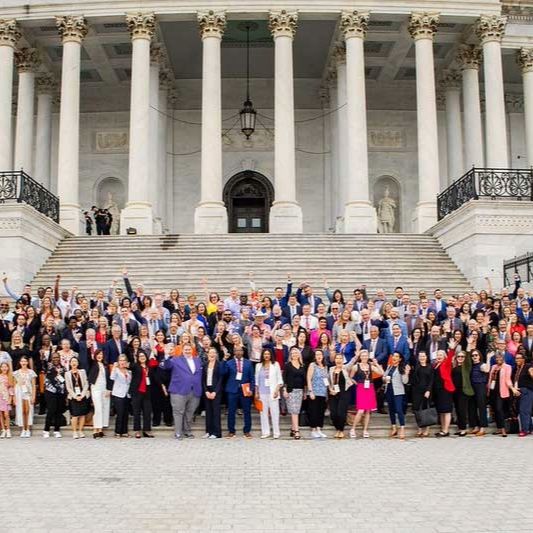
- Make our voice heard in Washington, D.C.
- Secure federal support to expand the CCBHC model to more than 530 clinics.
- Expand access to prevention, treatment and recovery supports to reduce overdose deaths.
- Train more than 5 million people in Mental Health First Aid.
None of us could have achieved this alone. Working together allows us to make a difference for those who need care and make mental wellbeing a reality.
Why National Council Membership Matters
The relationship between the National Council and our approximately 3,000 members is not transactional. It is a partnership that supports the entire field and reinforces our commitment to build the future you deserve by thinking differently, being more strategic, transforming obstacles into opportunities and problems into pathways.
As our membership renewal and recruitment initiative gets underway, we have an opportunity to show current and prospective members throughout the behavioral health field how the National Council advances their interests by:
- Bringing the field together to shape policy, strengthen their practice and advance solutions that improve access to care.
- Connecting members with peers and policymakers through NatCon and Hill Day so they can learn from one another and bring ideas back to their organizations and communities.
- Staying informed through programs, newsletters, webinars and practical resources to help members respond to emerging needs, including the new H.R.1 Resource Hub and the Leadership Track.
- Complimentary access for members to Thrive Global, a science-backed health and wellbeing platform that can help individualsadopt healthy habits, driving better health outcomes, engagement and productivity.
Membership gives organizations what no one can build alone: advocacy that protects your funding, programs that strengthen your workforce and a network of providers building a person-centered future for mental wellbeing. And the partnership runs both ways: members’ experience, data and leadership strengthen our advocacy, research and programs.
Progress on Mental Health and Substance Use Challenges
There are some encouraging signs of progress as we work to make mental wellbeing a reality for everyone.
The 2025 National Survey on Drug Use and Health reported that 44.6 million people aged 12 or older had a substance use disorder in the past year, down from 48.4 million a year earlier. The Centers for Disease Control and Prevention’s new Youth Risk Behavior Survey also found that, from 2023 to 2025, high school students reported improvement across five of six mental health and suicide-risk indicators, including persistent sadness, suicidal ideation and suicide attempts.
Overdose deaths have fallen modestly. Provisional data from the Centers for Disease Control and Prevention estimate nearly 70,000 drug overdose deaths in 2025, almost 14% fewer than the prior year.
These findings show that progress is possible, but our work isn’t finished. Medicaid cuts will create new obstacles, and other hurdles may emerge. So, we must think bigger and work together to ensure that everyone can access evidence-based treatment, no matter who they are or where they live.
If your organization shares that commitment, learn more about joining the National Council by contacting Membership@TheNationalCouncil.org.