- Share
-

-

-

-

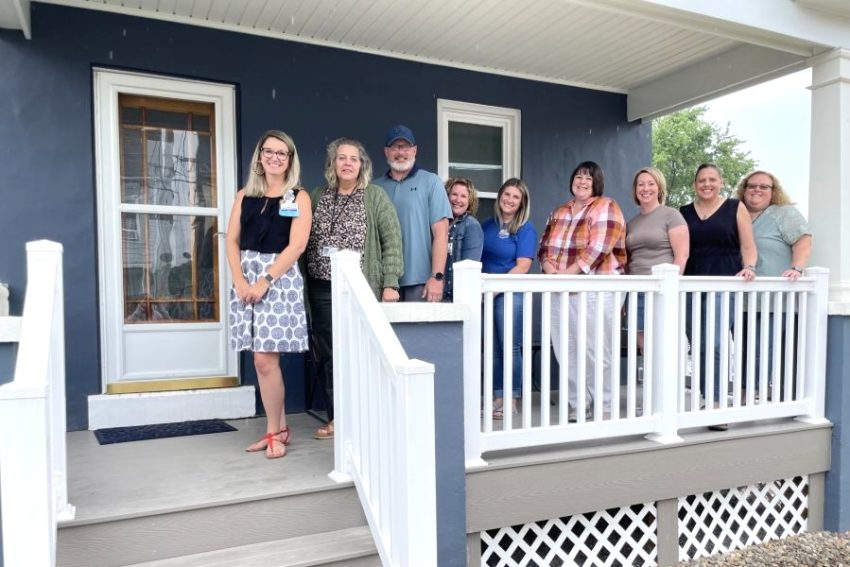
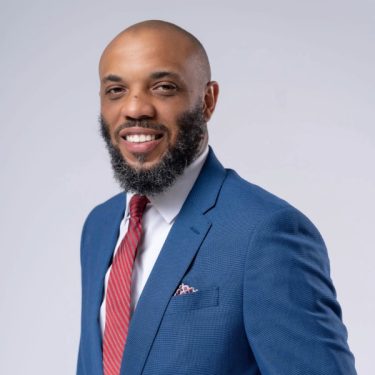
Behind every recovery story is someone who believed change was possible. Presented at NatCon, the Peer Specialist of the Year Award honors individuals who use their lived experience to support others on their recovery journeys. This year, we’re proud to recognize Marc Palmer, BA, CPSS, CRS, CFRS (pictured second from left), a community support housing specialist at WellSpan Health, a National Council member organization in Pennsylvania. We spoke with Palmer about what drew them to this work, the power of lived experience and the impact of peer support.
What inspired you to become a peer recovery specialist?
“I was inspired to become a peer recovery specialist because of my own journey through homelessness, substance use and the struggles I faced with my mental health. During some of the darkest moments of my life, I felt that there was no one who didn’t judge me or could understand the depth of my pain because they hadn’t lived through their own. Because of this, I wanted to be a voice of compassion, honesty and willingness to stand beside others and promote hope for them — just like I would have benefited from at a time when I didn’t think I deserved any.
“As I worked toward rebuilding my life, I made a promise to myself that if I ever reached a place of stability, I would give back to others walking the same path. I wanted to take the chaos, heartbreak and lessons of my past and turn them into something meaningful, something that could help someone else feel less alone. That calling is what led me to this work.”
When did you first realize your lived experience could help others?
“I first realized my lived experience could truly help others while managing a beer distributor, of all places. After working there for two years, you get to know everyone who comes in and out. You hear their stories, you see the shifts in their mood and health, and sometimes you witness a slow decline right in front of you.
“People would share things with me such as their horrible and traumatic experiences, heartbreak, loss and the pain that was often driving them to drink. Listening to them, I recognized so many pieces of my own past. I understood what it felt like to be trapped in cycles you desperately want to break but don’t know how.
“Over time, I started seeing potential in people even when they couldn’t see it themselves. I realized that when I spoke from my own lived experience, it opened a door. It helped them feel understood instead of judged. That’s when I knew that what I had survived wasn’t just for me. It was something I could use to support and empower others.”
How have your life experiences shaped the way you show up for the people you serve today?
“My life experiences have shaped the way I show up in every interaction. Having lived through homelessness, addiction and mental health struggles, I understand how vulnerable it feels to ask for help. I know what it’s like to be dismissed, stigmatized or misunderstood, so I work hard to create a space where people feel safe, respected and heard.
“I don’t come with judgment or assumptions. I come with empathy, patience and authenticity. My experiences taught me that recovery is not linear, that setbacks do not erase progress and that every person deserves dignity in their healing process. The compassion I needed back then is the compassion I strive to offer now.”
Can you share a moment when you truly saw the impact of your work?
“A moment that has stayed with me was when someone I had been supporting for a long time told me, ‘You helped me believe I deserved a life worth living.’ This person had been through significant trauma and had difficulty trusting anyone. Their progress came slowly, one small step at a time. But gradually, they began to open up. They started rebuilding their confidence, reconnecting with their goals and seeing themselves as someone who deserved stability, safety and hope. Watching that transformation unfold and knowing I played even a small part reminded me why peer support is so powerful. It showed me that impact doesn’t always come from big breakthroughs; sometimes it’s the quiet, steady presence that changes everything.”
If someone in early recovery is reading this, what would you want them to know?
“I want you to know that you are not broken and you are not alone. You are not defined by your past, and you are not alone in your struggles. Recovery doesn’t have to look perfect. It doesn’t matter how many times you’ve stumbled; what matters is that you’re still here and you’re still trying.
“You don’t need to see the whole road ahead. Just focus on the next step, even if it’s small. And if all you can do today is survive the day, that’s enough. There are people who understand, people who won’t judge you and people who genuinely want to walk beside you. You deserve support. You deserve healing. You deserve a life you can be proud of.”
What does winning this award mean to you?
“Winning this award is incredibly meaningful to me. It represents not only personal achievement, but a recognition of the resilience, vulnerability and courage of the individuals I am privileged to serve. It’s a reminder of how far I’ve come from homelessness, substance use and mental health struggles to being in a position to help others navigate their own journeys with dignity and hope.
“This award honors the power of lived experience, validates the importance of peer support in the recovery process and the belief that recovery is real. It reminds me why I show up every day: because hope can be shared, healing can be supported and none of us have to go through this alone. I’m deeply humbled and grateful.”