- Share
-

-

-

-

Behind every recovery story is someone who believes change is possible. At NatCon, the Peer Specialist of the Year Award recognizes individuals who use their lived experience to support others on their recovery journeys. This year, we’re proud to honor Jermaine J. Williams, a peer recovery specialist who has turned his own recovery journey into a powerful source of hope and inspiration for others. We spoke with Williams about what led him to this work, the power of vulnerability and storytelling, and how lived experience can help others thrive.
What inspired you to become a peer recovery specialist?
“After going through my own recovery journey, I knew firsthand how isolating and misunderstood addiction can feel. I remember wishing someone could truly see me — not just my mistakes, but my potential. I didn’t want anyone else to feel that alone.
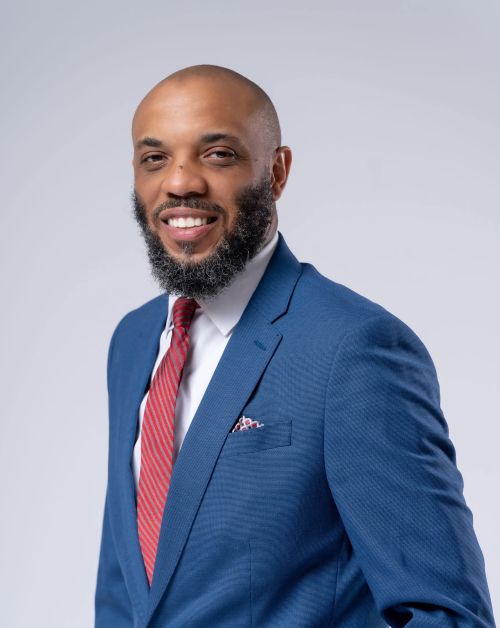
“So I chose to use every gift God has given me to confront stigma head-on, empower people in recovery and remind them that their past does not define their future. I believe lived experience, when paired with a voice and a purpose, doesn’t just change individual lives — it can change systems, communities and the world we live in.”
When did you first realize your lived experience could help others?
“I realized it early on, about six months into my sobriety, when I decided to publicly share my story on social media. At the time, I was a fairly high-profile figure in my city, and opening up about my addiction sent shockwaves.
“What stood out most weren’t the public reactions — it was the private messages. People reached out to tell me that my honesty gave them courage, that seeing someone they respected speak openly made them feel less ashamed and more hopeful. That’s when I understood the power of vulnerability and how sharing lived experience can open doors for others to begin healing.”
How have your life experiences shaped the way you show up for the people you serve today?
“My experiences taught me the importance of self-directed care. I firmly believe that people must be empowered to have a voice and a seat at the table when their recovery is being discussed.
“Clinical teams are experts on diagnoses and treatment models, but no one is the expert on a person’s life like the individual themself. No two recovery journeys are the same, and for long-term recovery and sustained wellness to be possible, people have to help shape their own path. My role is to support, guide and advocate — not dictate.”
Can you share a moment when you truly saw the impact of your work?
“One of the most powerful moments came after I produced my documentary, ‘I Had To Change: The Story of Jermaine J. Williams.’ The film tells my recovery story through the voices of my family, showing the ripple effects addiction and healing have on the people we love.
“After its release, I received messages from individuals across the region who said the documentary helped them believe recovery was possible. Some shared that it inspired them to seek help for the first time. That experience reaffirmed for me that storytelling is not just art — it’s education, inspiration and a catalyst for change.”
If someone in early recovery is reading this, what would you want them to know?
“First, you do not have to accept the identity that others try to place on you. Many people don’t fully understand addiction or recovery, and their judgments often come from fear or misinformation.
“Second, the people who think they know you best may not yet see what you’re truly capable of, and that’s okay. You don’t need their permission to grow.
“Most importantly, understand this: a good day doesn’t mean you’re fully healed, and a bad day doesn’t mean you’re failing. Neither one defines your tomorrow. Recovery is not linear, but it is possible. You are more capable, more resilient and more deserving of a full life than you may realize right now.”