Your Brain Deserves the Same Care as the Rest of You
- Share
-

-

-

-

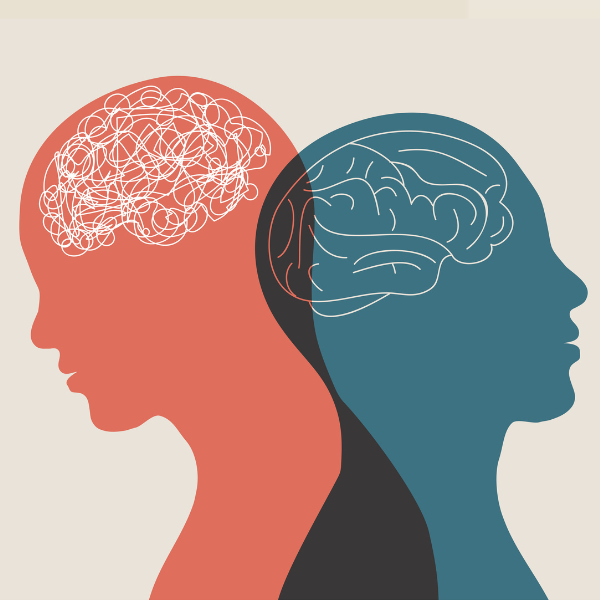
We spend a great deal of time talking about our hearts, our lungs, our blood pressure — the vital signs we track at every doctor’s visit. But there is one organ that governs every thought, feeling and decision we make. Yet, we have underinvested in it for far too long.
Now the brain is finally getting the attention it deserves.
Brain health is not simply about preventing dementia or avoiding a stroke. It can be defined as “a continuous state of maintaining optimal brain function that best supports a person’s health and wellbeing throughout life. ” That means brain health is not a concern reserved for older adults or those with a neurological diagnosis. It is something every one of us at every stage of life should be thinking about. And increasingly, we are.
The numbers tell us why this conversation cannot wait. “An estimated 7.1 million people in the U.S. currently experience Alzheimer’s symptoms, and by 2060 more than 13.9 million Americans may be living with the disease,” according to the National Institute on Aging. In addition, “over 50 million people have dementia around the world,” the NIA found. These are not statistics to read and set aside. These are our parents, our siblings, our neighbors — people we know and love.
The economic stakes are enormous. “The combined global economic burden of dementia, stroke and late-life depression is expected to exceed $5 trillion annually by midcentury, alongside a sharp rise in disability-adjusted life years lost to these conditions,” according to a report by the Milken Institute. We cannot afford, financially or morally, to ignore this.
But here is what gives me hope: The Milken report also found that “the trajectory of brain diseases is not inevitable. […] Evidence shows that up to 45% of dementia cases, 80% of disability-adjusted life years lost to stroke, and 21% of major depression may be linked to modifiable factors such as diet, sleep and exercise.” That is an extraordinary finding. It tells us that the choices we make every day — how we eat, how we rest, how we move and how we connect with one another — have a direct and meaningful impact on the health of our brains.
This is why I believe the growing conversation around brain health is one of the most important developments in health care today.
There is a growing recognition that brain health is a public health imperative. In 2025, the World Federation of Neurology dedicated its global World Brain Day campaign to Brain Health for All Ages, to “draw attention to the unique neurological challenges and opportunities that arise across different stages of life.”
For the National Council for Mental Wellbeing and the more than 3,200 organizations we represent, this is deeply personal. Every day, our members work with people living with serious mental illness, substance use disorders, co-occurring conditions and neurological challenges. They understand, perhaps better than anyone, that the brain and the mind are inseparable. When we invest in brain health, we invest in mental wellbeing. When we neglect one, we jeopardize the other.
So, what can we do? We can start the conversation. We can talk to our doctors about brain health — not just when something is wrong, but as a regular part of staying well. We can advocate for research and for policies that prioritize prevention, and we can support access to care for all communities, not just those who can afford it. And we can recognize the vital importance of taking care of our brains through sleep, physical activity, social connection and mental stimulation.
The brain is the organ that makes us who we are. It’s time we treat it that way.
There are a lot of great resources on this topic, including these two from the McKinsey Health Institute: Investing in the Future: How Better Mental Health Benefits Everyone, which explains how mental health treatment contributes to brain health, and The Human Advantage: Stronger Brains in the Age of AI.
I’d love to know what you have to say about brain health, so please leave a comment below. Like, share and repost this column so others can learn more about this topic, what it means and why it’s important.