Strengthening Collaboration Between States and Managed Care to Improve Behavioral Health Outcomes
- Share
-

-

-

-

Certified Community Behavioral Health Clinics (CCBHCs) have transformed access to mental health and substance use services across the country. Since their launch, they have expanded care, improved outcomes and strengthened the behavioral health safety net.
But as states continue to scale and refine their CCBHC programs, one reality has become clear: success depends on strong alignment between state agencies, Medicaid managed care organizations (MCOs) and providers.
Without that alignment, systems can become fragmented, leading to confusion for beneficiaries, inefficiencies in care delivery and missed opportunities to improve outcomes.
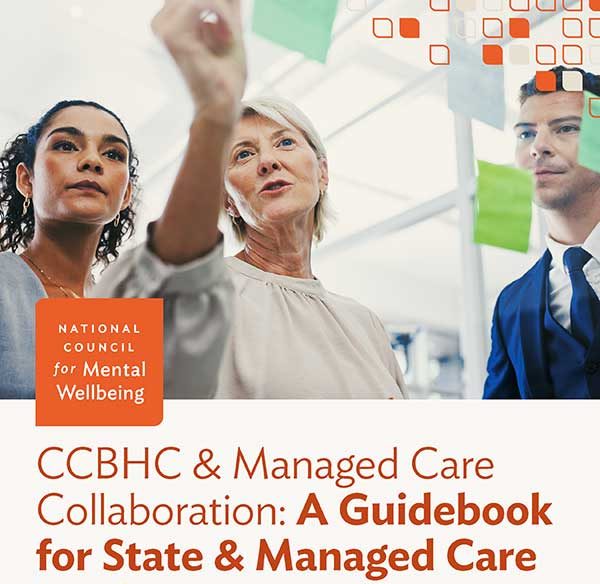
A new guide developed with input from state leaders, health plans and practitioners outlines a clear path forward. Below are six key strategies to help states and managed care partners strengthen collaboration and unlock the full potential of the CCBHC model.
1. Lead With Alignment
Effective collaboration starts with strong leadership.
State agencies play a critical role in defining the vision, setting expectations and aligning policies across partners. At the same time, MCOs must take an active role in adapting their operations to support the CCBHC model and integrate it into their networks.
When leaders across systems are aligned on goals and expectations, they set a clear foundation for success.
2. Bring Stakeholders Together Early and Often
Strong partnerships don’t happen by chance; they require consistent engagement.
Bringing stakeholders together early in the planning process helps build trust, clarify expectations and reduce friction during implementation. This includes not only state agencies and health plans, but also practitioners and people with lived experience.
Sustained collaboration ensures all perspectives are considered and helps create shared accountability for outcomes.
3. Build Knowledge and Capacity Across Systems
The CCBHC model introduces new ways of delivering and financing care. That means change for nearly every part of the system.
States and MCOs must invest in education and training to ensure staff understand how CCBHCs operate, how payment models differ and what changes are required for implementation.
A shared understanding across teams reduces miscommunication and supports smoother execution.
4. Clarify Roles and Responsibilities
One of the most common barriers to effective collaboration is unclear ownership.
States, MCOs and CCBHCs often have overlapping responsibilities in areas like care coordination, data reporting and quality monitoring. Without clear guidance, this can lead to duplication of effort and inefficiencies.
Defining who is responsible for what — across clinical, operational and financial areas — helps reduce confusion and ensures all partners can work together effectively.
5. Invest in Data Sharing and Transparency
High-quality data is essential for improving care and managing systems effectively.
States and MCOs must prioritize data quality, establish shared standards and improve data exchange across partners. This enables better decision-making, strengthens care coordination and supports quality improvement efforts.
When data is transparent and trusted, stakeholders can shift from reactive problem-solving to proactive system improvement.
6. Address Financial Sustainability
Even with expanded funding through the CCBHC model, many clinics face persistent financial pressures, particularly related to uncompensated care.
States and MCOs have an important role to play in addressing these challenges through thoughtful policy decisions, financing strategies and community partnerships.
Ensuring financial sustainability is critical to maintaining access and supporting long-term system success.
What Success Looks Like
When states, managed care organizations and CCBHCs work in alignment, the impact is significant:
- Individuals experience more seamless and coordinated care.
- Organizations can focus more on service delivery and less on administrative burden.
- Systems operate more efficiently.
- Outcomes improve across populations.
Ultimately, stronger collaboration enables the behavioral health system to function as it was intended: delivering accessible, high-quality care to the people who need it most.
Moving Forward
The opportunity ahead is clear. By prioritizing alignment, investing in collaboration and applying practical strategies, states and managed care partners can build stronger systems that better serve their communities.
This guide offers a roadmap for getting there.