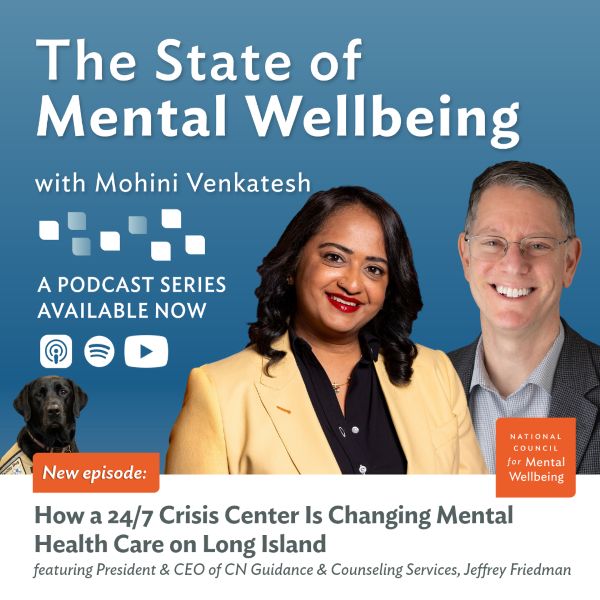
How a 24/7 Crisis Center Is Changing Mental Health Care on Long Island
- Share
-

-

-

-






What does it take to build a community crisis center that is open when people need it most, including a Sunday night at 10 p.m.? In this episode, Mohini Venkatesh sits down with Jeffrey Friedman of CN Guidance, a comprehensive mental health and substance use agency on Long Island, to talk about community crisis centers, certified community behavioral health clinics (CCBHCs) and the leadership mindset behind innovative behavioral health care.
What You’ll Learn
Listeners will come away with a clearer understanding of:
- How to spot community needs before they become crises, starting with frontline staff and the people you serve
- How CCBHC status helped break down silos between mental health and substance use care
- What a 24/7 community crisis center looks like and why it keeps families together
- Why peer support specialists are vital to crisis care
- How to fund, staff and sustain a crisis program over the long term
About CN Guidance and Its Community
CN Guidance began in 1972 as a small clinic on Long Island, started by volunteers who saw a real mental health need in their community. Over time, the agency found that no one else was serving people with both mental health and substance use disorders, and that became its niche. What started with a couple of dozen clients now reach almost 25,000 people a year across Long Island.
Gambling Mechanics Are Showing Up Everywhere
Gambling is no longer limited to gambling products. Dr. Weinstock shares a story about a 13-year-old who said he “lost a bet” in a baseball video game. The game asked him to predict a winner and rewarded a correct guess with a special player card. No money was involved, but, as Dr. Weinstock puts it, “all the mechanics of gambling are there.” Loot boxes work in a similar way. They are essentially slot machines built on variable ratio reinforcement, where unpredictable rewards keep players coming back.
Looking Around the Bend: Anticipating Community Needs
Today, the team stays attuned to community signals by working closely with frontline staff. Recently they have seen more young people coming in with anxiety, depression and fear of going to school after being bullied.
Jeffrey also shared a candid lesson: leaders can get caught up and assume they know what the community needs. The agency gets it right when it listens to the people it serves. Most recently, after securing grants to serve Ukrainian and Afghan communities, CN Guidance brought in outreach experts who convened community leaders to explain why people were not coming to clinics and how to be more inclusive.
Inside a 24/7 Community Crisis Center
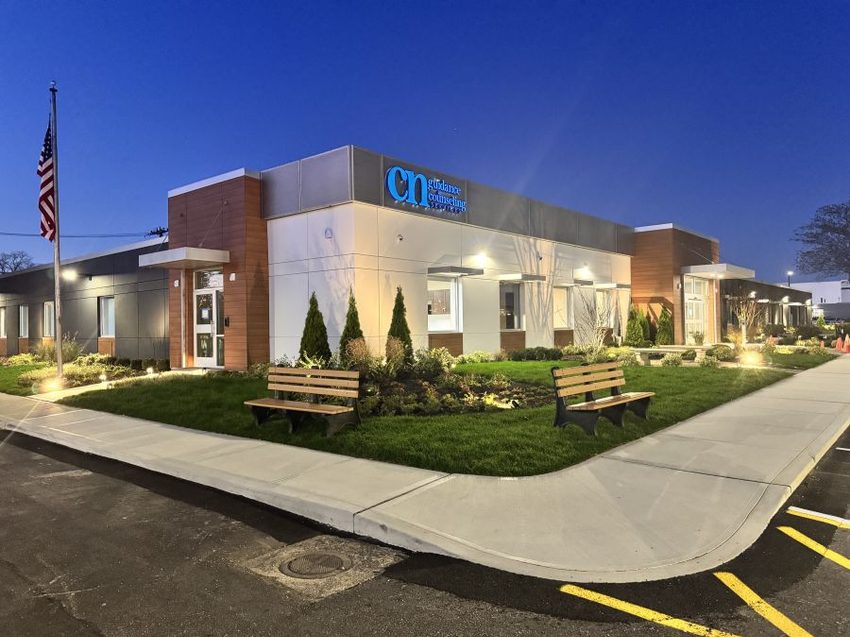
Even with walk-in access, clinic hours left gaps when people in crisis could not get help. Guests can stay up to 23 hours and 59 minutes, and the center is open around the clock.
- Keeping families together: Parents and siblings can stay in the same room for the entire visit. A peer who toured the center before it opened shared that, at age eight, she spent 10 hours alone in an emergency room after a psychotic episode. She said the family-centered design could prevent that kind of re-traumatization.
- Reaching young people: About 43% of the people walking through the door are under 21.
- Real impact: Since opening in December, 1,000 people have received help, and some travel from as far as Albany for immediate care.
- Thoughtful design: The team toured crisis centers around the country, including one in Arizona, to learn how to build a center that works. The facility has a separate entrance and a dedicated room for first responders, and color is used intentionally to support healing.
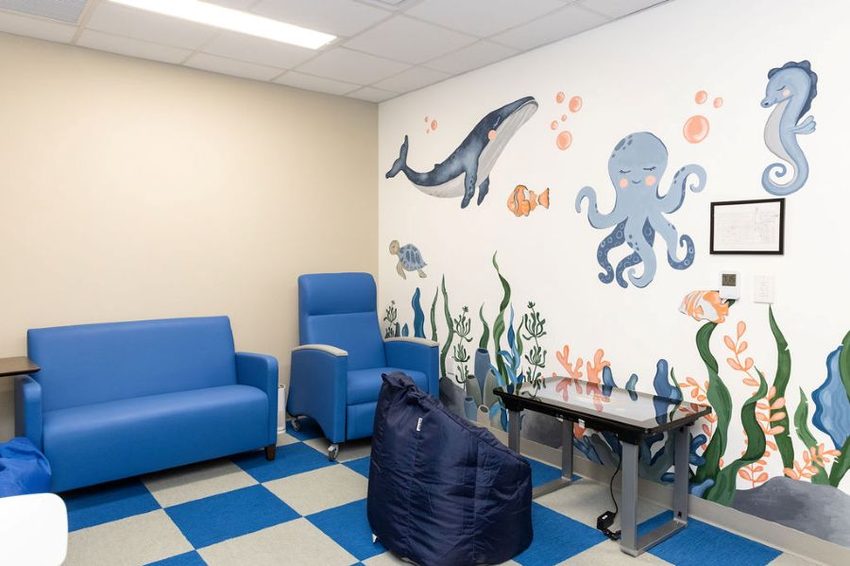
The center took four years to build and relied on grassroots outreach rather than a marketing budget. Staff met with school superintendents, hospital leaders, libraries, civic associations and community organizations.
Advice for Leaders Starting a Crisis Center
For leaders who see similar signals in their own communities, Jeffrey recommends starting with public officials: local government and the state mental health agency. Point to examples from other communities that are working, as the CN Guidance team did after visiting Arizona. A crisis center also changes how people experience care. Telling someone in crisis to come back in three weeks does not honor what they are going through, while a place to go any day of the week does.
Workforce Challenges and the Power of Culture
Workforce is the hardest part. Recruitment and turnover are significant challenges, and nonprofits compete with hospital systems that can offer perks like student loan repayment. Still, Jeffrey says the agency attracts compassionate people who share its values and treat every person with dignity and respect.
About the Guest
Jeffrey Friedman is a nonprofit executive leader with 30 years of progressive senior and executive level management experience serving disadvantaged, at-risk, and vulnerable individuals and communities in the New York metropolitan area. He currently serves as the Chief Executive Officer of CN Guidance & Counseling Services, a five-decade-enduring nonprofit organization providing comprehensive services to individuals and families on Long Island affected by mental health and/or substance use disorders.

Listen to the Full Conversation
This post highlights the main themes of the discussion, but the full episode offers deeper insight, perspective and practical guidance for leaders working to build crisis care and stronger behavioral health services in their communities.
Stream the latest episode right here, or listen on your favorite platform.