How a New Vision is Shaping Behavioral Health Care in America
- Share
-

-

-

-






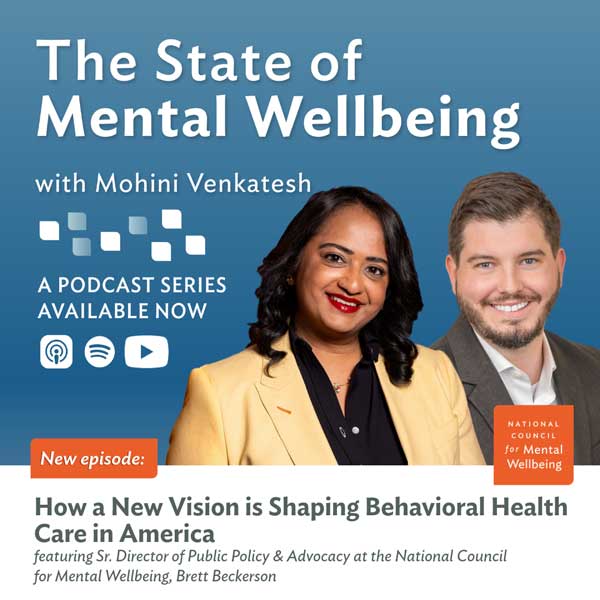
More than 3 million people are now receiving care through Certified Community Behavioral Health Clinics (CCBHCs), and the impact reaches far beyond the numbers. Across the country, CCBHCs are bringing mental health and substance use services into schools, partnering with public safety and finding new ways to reach people before they fall through the cracks. In this episode of The State of Mental Wellbeing, National Council Chief of Staff Mohini Venkatesh sits down with Brett Beckerson, Senior Director of Public Policy and Advocacy, to unpack the latest CCBHC impact report and what it means for communities nationwide.
Listen to more episodes on CCBHCs:
- Transforming Rural Mental Health Care: The Promise of CCBHCs
- Data-drive Advocacy: Missouri’s CCBHC Success Story
- How Ballmer Group is Transforming Community Wellbeing Through Philanthropy
What Is a CCBHC?
Brett offers a simple definition: If someone you love has a mental health or substance use challenge, the CCBHC is where you want them to go. Behind that promise is a model built like a three-legged stool: excellence in integrated clinical care, payment that covers the actual cost of care and accountability for quality. Instead of traditional fee-for-service or grant funding, CCBHCs use a prospective payment system. As Brett explains, it’s the difference between handing someone $100 and a grocery list and sitting down together to figure out what the list will actually cost.
Key Findings From the 2026 CCBHC Impact Report
The 2026 report shows CCBHCs now serve 3.4 million people, a 13% increase, and support roughly 32,000 staff positions. What makes this growth remarkable is that the number of clinics stayed about the same. Brett points to two drivers: Clinics moving from grant funding to Medicaid prospective payment are expanding access because they’re paid for the actual cost of care, and clinics are getting stronger, more nimble and more responsive as they mature in the model. Federal criteria for staffing and care coordination also create a foundation that weaves safety-net providers into the fabric of their communities.
Expanding Crisis Care and Public Safety Partnerships
When the Substance Abuse and Mental Health State Association (SAMHSA) updated the CCBHC criteria in 2023 — the first update since the model launched in 2017 — it strengthened requirements for crisis care, substance use care and services for groups such as veterans and people experiencing homelessness. This report is the first to show the impact: The number of clinics offering mobile crisis response and crisis stabilization units has grown dramatically, in some cases nearly doubling. Today, 98% of CCBHCs partner with law enforcement, from pre-arrest diversion and 988 to courts and reentry. Research shows that communities with a CCBHC experience less burden on law enforcement, freeing officers to focus on public safety.
One standout innovation started at Grand Mental Health in Oklahoma: crisis response tablets that run on the emergency broadband network. With one button, officers can connect a person in crisis to a licensed provider for a real-time assessment, which can be lifesaving in rural areas where the nearest service may be hours away. A second button connects officers to support for themselves after a traumatic call. What began at one clinic is now used by 115 clinics in 33 states.
Substance Use Treatment and Whole-Person Recovery
About half of CCBHC patients with opioid use disorder receive medications for opioid use disorder, and people are nearly three times more likely to receive this care at a CCBHC than in other treatment settings. Updated criteria now require formal partnerships with opioid treatment programs in the same service area, so CCBHCs can connect people receiving methadone to employment support, benefits management, housing and more. Clinics serving people experiencing homelessness are also finding that monthly payment rates better reflect the multiple outreach contacts it often takes to bring someone into care.
Brett shares a powerful story from a New Jersey CCBHC: A woman who had lost custody of her daughter while living with a substance use disorder entered treatment, achieved recovery, got a job and was up for a promotion, regained custody and is now expecting a second child. She credits the CCBHC. Her journey shows how trust built in one setting can open the door to the full range of support a person needs.
Integrating Primary Care Into Behavioral Health
CCBHCs are already required to provide primary care screening and monitoring, but Brett hopes treatment is next. Conditions like hypertension, diabetes, HIV and hepatitis C often overlap with mental health and substance use challenges, and treating them together strengthens overall care. After nearly 10 years, trust between CCBHCs and primary care partners has grown, leading to bidirectional integration, with staff embedded in both settings. Policies under discussion in Congress could also give states the option to reimburse CCBHCs for specific primary care services, creating a true one-stop shop for whole-person care.
The Next Frontier for CCBHCs
Brett looks to where the numbers are low to see what’s next. Only 24% of CCBHCs have data-sharing agreements with law enforcement, an area with big potential to save time and costs. With online gambling becoming more accessible, only about a quarter to a third of CCBHCs offer care for problem gambling, despite its strong overlap with substance use disorders. Clinics are also exploring crisis tablets for foster parents so they can reach a professional in real time. And as states build on the federal floor set by SAMHSA, they can expand partnerships with schools, early education centers and colleges to create open doors for care wherever people already are.
Meet the Guest
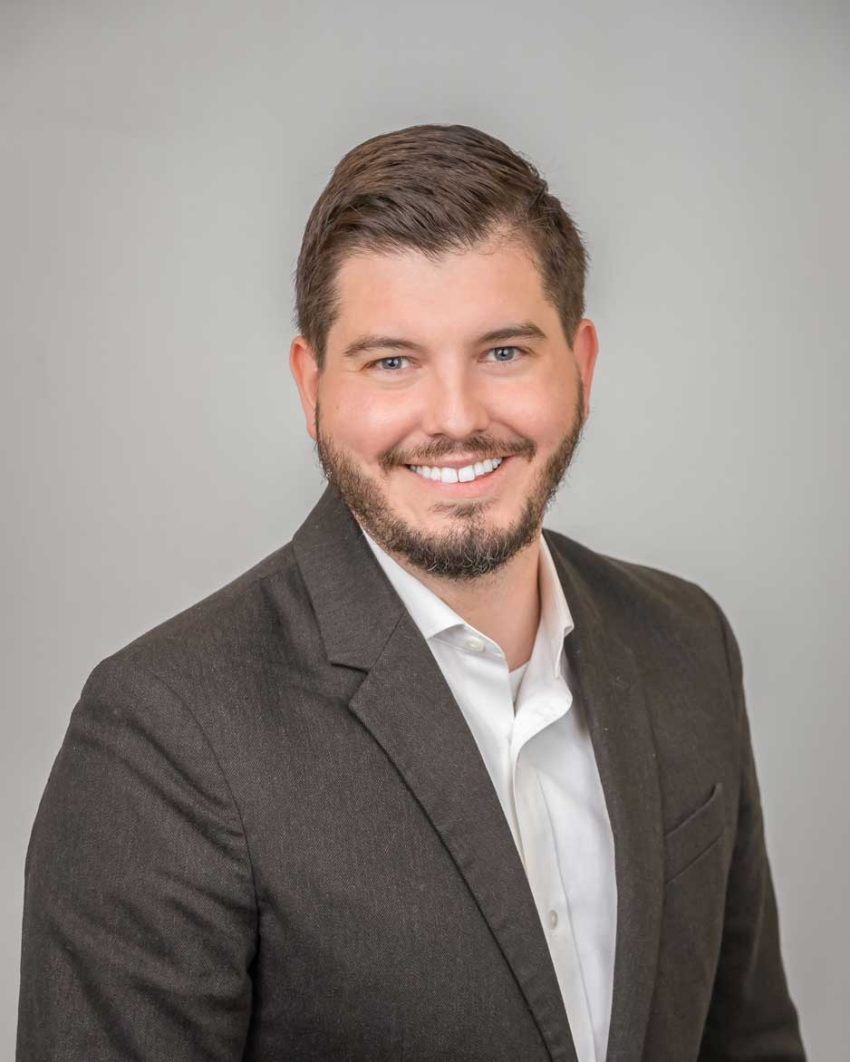
Brett Beckerson has over 15 years of experience working at the intersection of public health and public safety policy at local, state, and federal levels. At the National Council for Mental Wellbeing, Brett is the senior director of policy, leading efforts on CCBHCs to ensure high-quality, integrated services for mental health and substance use care. Prior to National Council, Brett worked at The Pew Charitable Trusts where he provided strategic guidance on Pew’s work on medications for opioid use disorder (OUD), suicide prevention, behavioral health workforce, and correctional healthcare. An alumnus of The University of Michigan, Brett earned a graduate degree in Social Work with a focus on child welfare policy, as well as a Bachelor of Arts degree in Political Science.
Listen to the Full Conversation
This post highlights the main themes of the discussion, but the full episode offers deeper insight, perspective and practical guidance for policymakers, providers and community partners working to strengthen access to mental health and substance use care.
Stream the latest episode right here, or listen on your favorite platform.