Transforming Rural Mental Health Care: The Promise of CCBHCs
- Share
-

-

-

-






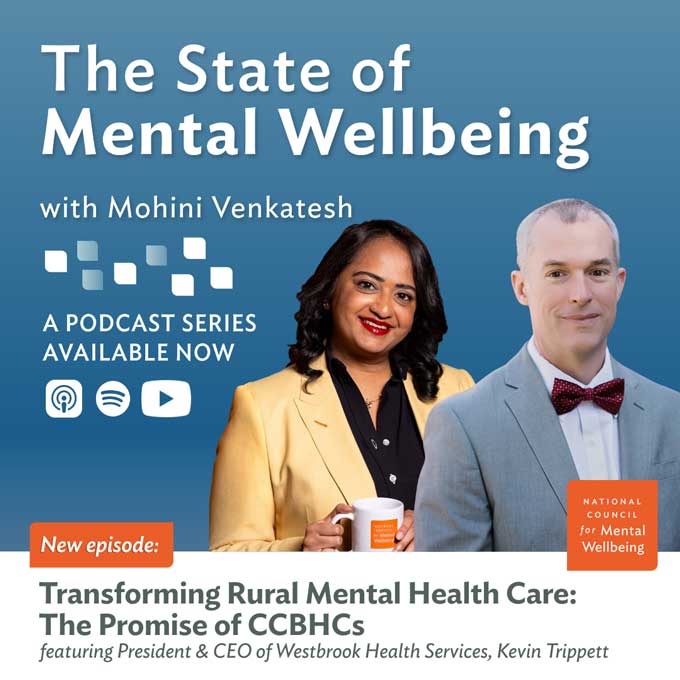
On this episode of The State of Mental Wellbeing: A Podcast on Mental Health & Substance Use, host Mohini Venkatesh speaks with Kevin Trippett, president and CEO of Westbrook Health Services, about how Certified Community Behavioral Health Clinics (CCBHCs) are expanding access to mental health and substance use care in rural West Virginia.
The conversation highlights how the CCBHC model can help providers deliver whole-person care, strengthen community partnerships and move from short-term survival to long-term planning.
What You’ll Learn
Listeners will come away with a clearer understanding of:
- How CCBHCs expand rural mental health and substance use care
- The importance of care coordination, peer support and partnerships
- How prospective payment supports whole-person care and innovation
Serving the Community You Call Home
For Trippett, behavioral health leadership is personal. He grew up in Parkersburg, West Virginia, the same community Westbrook serves today. Founded in 1949 as a free mental health clinic for children, Westbrook now serves eight counties as one of the state’s comprehensive behavioral health centers.
That hometown connection shapes how Trippett thinks about care. “Being in the community and helping serve the community that I grew up in is very passionate for me and exciting,” he said. When clients may be neighbors or families he has known for years, the work reinforces a commitment to responsive care that’s rooted in trust.
Why Rural Behavioral Health Access Requires a Different Approach
West Virginia’s rural landscape creates barriers to treatment, including poverty, transportation challenges, high Medicaid enrollment and the ongoing impact of the opioid epidemic. Recruiting providers remains difficult. Telehealth has helped, but access still depends on delivering services in ways that work for rural residents.
Westbrook uses mobile units, local hub sites and community partnerships to bring care closer to people. “Finding ways to actually go to the areas instead of making individuals come to you — I think they greatly appreciate that,” Trippett said. That outreach helps build trust and makes care feel more reachable.
Whole-person Care Through Integrated Services
People rarely arrive with only one need. Someone seeking mental health or substance use care may also need primary care, housing, transportation, food, employment support or help navigating recovery. That is why integrated services and care coordination are central to the CCBHC model.
At Westbrook, CCBHC funding has helped add care coordinators, peer supports and other roles that connect clients to services inside and outside the clinic. Trippett called care coordinators “the heart” of Westbrook’s CCBHC work. They bridge gaps between behavioral health treatment, primary care and social supports.
From Survival Mode to Strategic Planning
One of the episode’s most important themes is West Virginia’s move toward a prospective payment model for CCBHC services. “When we were under the fee-for-service model, it was more about survival,” Trippett said. Prospective payment helps providers support the real costs of comprehensive care and respond more flexibly to community needs.
Rural areas need that stability. A clinic may not have enough volume to make fee-for-service sustainable, but the need for care still exists. Prospective payment can help keep services available where access is fragile, and it allows leaders to plan ahead. As Trippett put it, “Under this model, I’m now able to actually create a strategic plan.”
Innovation in Crisis Response and Recovery Partnerships
Westbrook is already using that flexibility to expand services, including a crisis walk-in receiving center based on the living room model, walk-in medication management and stronger relationships with law enforcement. Officers have called Westbrook during crisis situations, underscoring the value of trusted behavioral health partners in community crisis systems.
The organization is also partnering with a local magistrate court to connect people to treatment as an alternative to serving a sentence. Other partnerships include an FQHC, homelessness programs, day shelters and community organizations addressing food, housing, clothing and employment needs.
Supporting the Workforce and Expanding Care Options
Like many behavioral health organizations, Westbrook still faces workforce shortages, especially among therapists, but the CCBHC model has helped create new roles and capacity. Investments in care coordination, peer support, crisis services and wellness are changing what care can look like for clients and staff alike.
Trippett described work with a wellness coordinator and dietitian, including support for clients with eating disorders, weight management goals and methamphetamine use disorder. Westbrook is also exploring job readiness programs that help clients in recovery build practical skills and connect to potential employers.
Sources of Hope for Rural Mental Wellbeing
When asked what gives him hope about mental wellbeing in West Virginia, Trippett pointed to the ability to reach more people. Many individuals are suffering without knowing where to turn. By expanding across counties, strengthening partnerships and using the CCBHC model to support comprehensive care, Westbrook aims to serve more people in every community it reaches.
This episode shows how rural behavioral health providers can move beyond fragmented care and build systems that are more accessible, integrated and sustainable. For Westbrook Health Services, the CCBHC model is a pathway to earlier intervention, stronger partnerships and better mental health and substance use care for West Virginians.
Meet the Guest
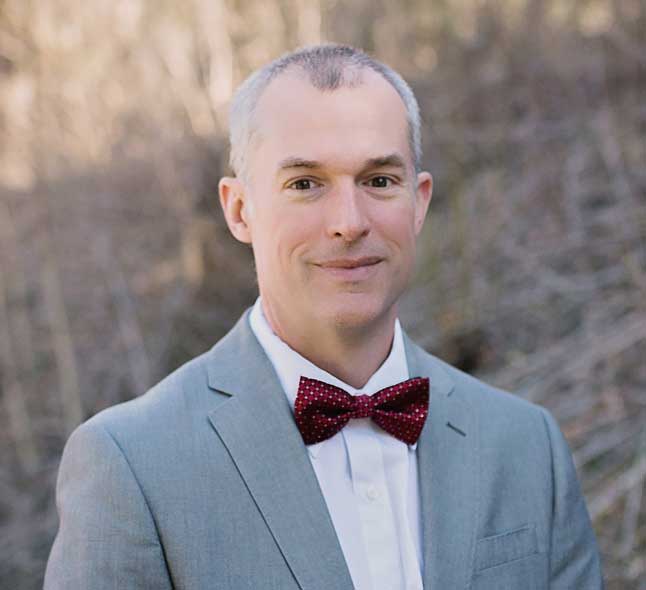
Kevin Trippett has served as President and Chief Executive Officer of Westbrook Health Services, Inc. since May 2017. He earned a bachelor’s degree in business administration with an emphasis in finance and a master’s degree in safety management from West Virginia University. He has been with Westbrook Health Services since 1999, previously serving as Accountant and Chief Financial Officer. In 2018, he received West Virginia Executive Magazine’s Sharp Shooters Award.
Listen to the Full Conversation
This post highlights the main themes of the discussion, but the full episode offers deeper insight, perspective and practical guidance for behavioral health care providers and state leaders who want to understand the real-world impact of the CCBHC model in rural communities.
Stream the latest episode right here, or listen on your favorite platform.