Mental Health First Aid: A Global Movement
- Share
-

-

-

-






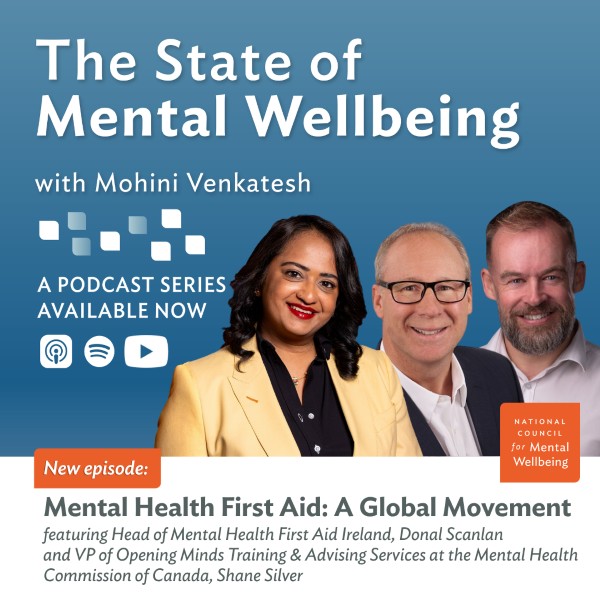
On this episode of The State of Mental Wellbeing: A Podcast on Mental Health & Substance Use, host Mohini Venkatesh speaks with Donal Scanlan of Mental Health First Aid Ireland and Shane Silver of the Mental Health Commission of Canada about how Mental Health First Aid has become a global movement. Their conversation explores how countries adapt the program to local communities while pursuing a shared goal of strengthening mental health literacy, reducing stigma and helping people feel ready to support someone who may be struggling.
What You’ll Learn
Listeners will come away with a clearer understanding of:
- How Mental Health First Aid expands mental health literacy across countries and communities
- The importance of partnerships, instructors and context-aware adaptations
- Why confidence, vulnerability and human connection are central to reducing stigma
From Local Launches to Global Momentum
Mental Health First Aid (MHFA) began in Australia, but its reach now extends across continents. In Canada, the program was first adapted in Alberta before moving to the Mental Health Commission of Canada in 2010. Silver shared that Canada’s Instructor community has grown from about 210 to more than 1,200 in that time.
In Ireland, MHFA started through St. John of God University Hospital, where leaders saw a need for training beyond clinical professionals. Everyday people in communities, families, schools and workplaces needed skills too. As Scanlan put it, MHFA “wasn’t created because people were lacking compassion in any way. It was created because people were lacking confidence.”
Changing the Conversation About Mental Health
Both guests described a major shift in how people discuss mental health. Scanlan reflected that earlier in his career, conversations were often limited to discussions of illness and treatment between professionals. Today, wellbeing is part of more everyday conversations in schools, workplaces and communities.
Silver described similar needs in Canada, especially in sectors where stigma has been a barrier to help-seeking, including health care, first responders, construction, trades and agriculture. MHFA has helped organizations foster cultures where people are more willing to talk openly and connect to care.
The Power of Partnerships
Partnerships help MHFA reach new audiences. In Canada, Silver pointed to work with the Infrastructure Health and Safety Association to tailor courses for construction and trade workers. In Ireland, Scanlan described a pivotal national conversation that led to funding for broader delivery across the public sector, schools, organizations and community groups.
These examples show that scaling mental health training depends on more than a strong curriculum. It also takes trusted champions who understand their communities and can carry the message forward.
Adapting MHFA for Local Communities
A global movement must be flexible enough to reflect local needs. In Canada, MHFA has been adapted with First Nations, Inuit and Métis communities, as well as for first responders and those working with youth.
Ireland has taken a slightly different path. Scanlan said the core message has remained largely consistent, while facilitators adapt examples and discussion based on who is in the room. “Health care systems differ, languages differ, but the core messaging can be the same,” he said.
Instructors: The ‘Lifeblood’ of MHFA
Both guests emphasized the essential role of Instructors and facilitators. Scanlan described watching Instructors bring passion and experience to the work, helping carry the MHFA message across Ireland and beyond. Silver called facilitators “the lifeblood of the program.”
One story from Canada especially stood out. Silver shared that a firefighter who teaches MHFA says he has saved more lives as a mental health instructor than as a firefighter. For Silver, that kind of passion motivates the work every day.
What Countries Can Learn From One Another
International collaboration has helped countries strengthen their own programs. Canada has drawn lessons from Australia’s work with Indigenous communities, England’s continuing learning model and the National Council for Mental Wellbeing’s work in the United States. Ireland has also used international examples to engage policymakers and show what is possible.
For Scanlan, global collaboration has revealed more similarities than differences. “Everyone wants to belong and feel seen and feel heard, feel understood,” he said.
A Universal Lesson: Be Brave and Stay Connected
When asked to share one universal lesson, Silver encouraged leaders and communities to “be brave and be vulnerable.” He said that when leaders share their experiences, it can make it easier for others to start honest conversations.
Scanlan offered another lesson: Do not forget the value of real human connection. He described connection as a powerful response to loneliness, isolation and crisis, and said MHFA gives people the confidence to have conversations that can change lives.
As MHFA continues to grow globally, its success reflects a shared commitment to building confidence, exchanging ideas across borders and creating communities where meaningful support can begin with a conversation.
Meet the Guests
Donal Scanlan
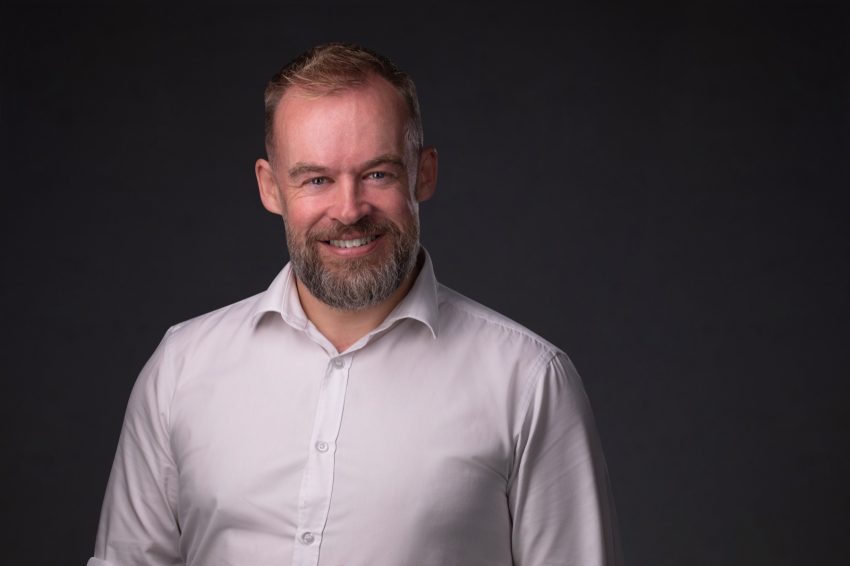
Head of Mental Health First Aid Ireland, Donal Scanlan, is a seasoned expert with over 27 years of professional experience and study dedicated to mental health and wellbeing. He undertook his undergraduate and postgraduate studies at Trinity College Dublin. Leading MHFA Ireland, a team of over 250 committed staff and instructors who deliver the evidence-based mental health training across the nation with the mission of empowering communities and workplaces with the knowledge and support they need.
Shane Silver
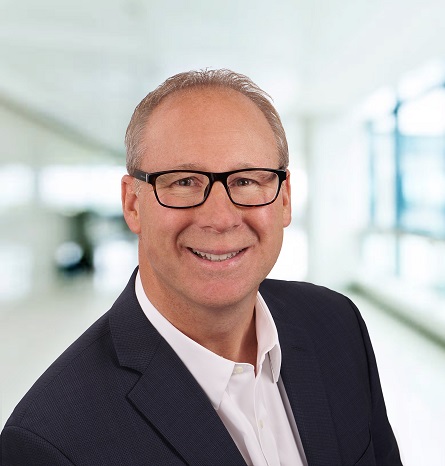
As Vice President, Opening Minds Training & Advising Services at the Mental Health Commission of Canada (MHCC), Shane Silver leads national initiatives focused on improving mental health literacy, reducing stigma and advancing psychological health and safety in workplaces, organizations and communities.
Shane joined the Mental Health Commission in 2022 after leading social enterprises within not-for-profit organizations serving the vision loss and hearing loss communities across Canada. In addition, the Mental Health First Aid and The Working Mind programs have been revamped to incorporate updated content and the latest learning approaches.
Listen to the Full Conversation
This post highlights key themes from the discussion, but the full episode offers deeper stories about global learning, community partnerships and the future of Mental Health First Aid.
Stream the latest episode right here, or listen on your favorite platform.