Addressing Youth Addiction & Recovery with Dr. John Kelly
- Share
-

-

-

-

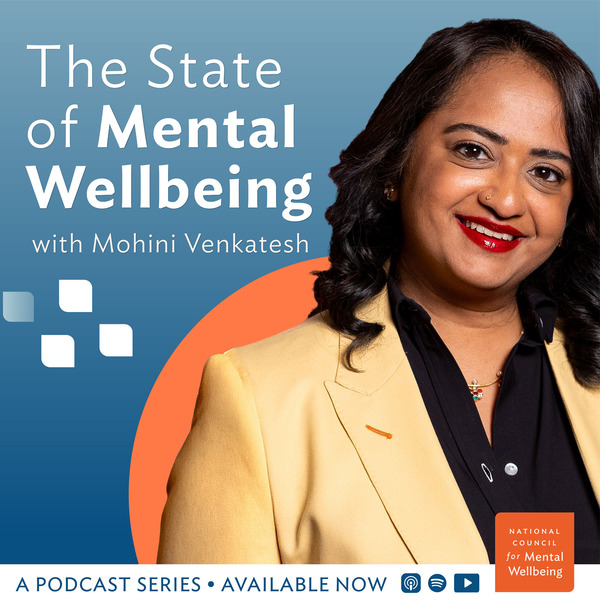
What does the latest science say about youth substance use prevention, adolescent treatment, recovery support services and the future of addiction recovery? In this episode, special guest host Philip Rutherford, VP of Growth & Substance Use Strategy at the National Council, sits down with John Kelly, PhD Professor of Psychiatry in the Field of Addiction Medicine at Harvard Medical School, to explore how recovery science has evolved, why care for young people should be different from adult care and where the biggest gaps remain in prevention, treatment and long-term recovery support.
What You’ll Learn
Listeners will come away with a clearer understanding of:
- Recovery science and how definitions of recovery have evolved over the past decade.
- Youth substance use prevention, developmentally appropriate treatment and recovery support services.
- Emerging risks including social media exposure, high-potency cannabis, polysubstance use and the need for earlier screening and intervention.
Recovery Science: The Need for a Long-Term View
Early addiction research and treatment often focus on acute stabilization, detoxification, short-term treatment, and getting the immediate crisis under control. Dr. Kelly argues that this is only one part of the picture. Long-term recovery depends on what happens after the crisis: whether people have access to housing, employment, education, social support and/or recovery-oriented services that help them rebuild a healthy life. That broader lens reflects recovery as a process of change: improving health and wellness, living a self-directed life, and striving to reach full potential.
One of the most memorable ideas in the episode is Dr. Kelly’s “burning house” metaphor. In his view, the field has become better at putting out the fire (responding to addiction crises and acute episodes) but has not invested enough in the building materials people need to recover over time. Those materials include recovery capital, hope, community support and policy environments that do not shut people out because of past mistakes. It is a powerful framework for understanding why recovery support services matter just as much as treatment itself.
Emerging Risks for Adolescents: High-Potency Cannabis, Polysubstance Use and Social Media Exposure
When asked what concerns him most about the next generation, Dr. Kelly points to several converging risks. High-potency cannabis is one of the most urgent. Today’s cannabis products are far more potent than those used decades ago, with much higher THC levels and a wider variety of products. The National Institute of Drug Abuse (NIDA) notes that cannabis products have increased in potency in recent years and that researchers are closely examining the effects on the developing brain and mental health. In the episode, Dr. Kelly connects that trend to higher risks related to addiction, psychiatric acuity and possible psychosis among adolescents.
He also highlights the rise of polysubstance use and the uncertainty surrounding constant exposure to screens and social media during critical windows of brain development. While many questions remain, the concern is that an always-on stream of novel, rewarding content may shape attention, mood and vulnerability in ways the field still needs to understand. For parents, educators and clinicians, these risks underscore the need for earlier prevention, stronger education and more research that keeps pace with how youth environments are changing.
Why Recovery Support Services for Youth Need More Development
Recovery does not begin and end with clinical intervention. Young people also need recovery-friendly communities, engaging activities, peer support and environments that make a substance-free life feel possible and meaningful. The Substance Abuse and Mental Health Services Administration (SAMHSA) recovery framework emphasizes health, home, purpose and community. That framework is especially relevant for adolescents and young adults who are still building identity, relationships and routines.
In practical terms, this means the field must invest in treatment and recovery supports that are developmentally appropriate. Programs designed for adults will not automatically resonate with teens. Services for youth should be built around engagement, family dynamics, social connection and real-world milestones such as school reintegration, employment and community belonging.
What the Future of Recovery Could Look Like
Looking ahead, Dr. Kelly sees major opportunity in more assertive youth screening, earlier intervention, stronger recovery research and more investment in recovery support infrastructure. For both youth and adults, the future of addiction recovery will depend on how well systems connect treatment to the long-term conditions that make sustained recovery possible. That includes better science, better implementation and better policies that open doors instead of closing them.
Meet the Guest
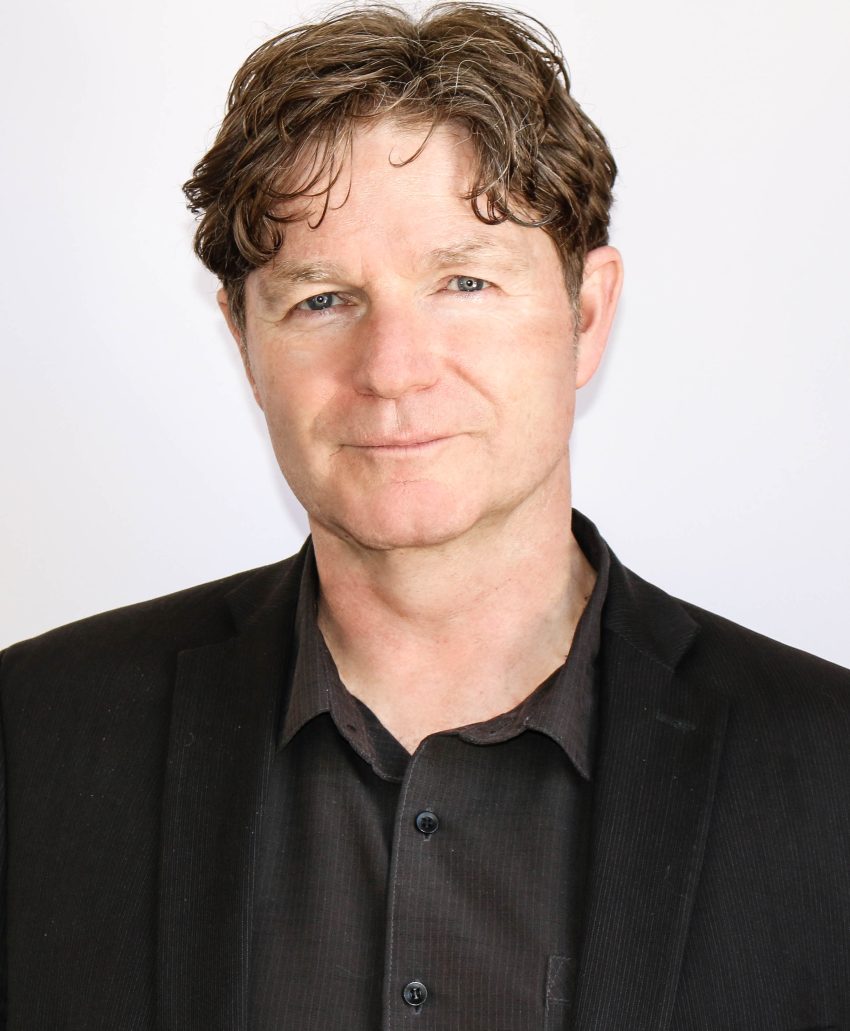
Dr. John F. Kelly is the Elizabeth R. Spallin Professor of Psychiatry in the Field of Addiction Medicine at Harvard Medical School and the Founder and Director of the Recovery Research Institute at Massachusetts General Hospital. He also founded the National Center on Youth Prevention, Treatment, and Recovery, where his work helps advance research on addiction treatment, recovery pathways, behavior change, and stigma reduction. Throughout his career, he has collaborated with U.S. federal agencies and global organizations to strengthen the science and practice of recovery-oriented care.
Listen to the Full Conversation
This blog highlights the main themes of the discussion, but the full episode offers deeper insight, perspective and practical guidance for parents, clinicians, researchers, policymakers and recovery advocates working to improve prevention and recovery outcomes for young people.
Stream the latest episode right here or listen on your favorite platform.