Innovation in Addiction Treatment: Where the Field Is Going
- Share
-

-

-

-

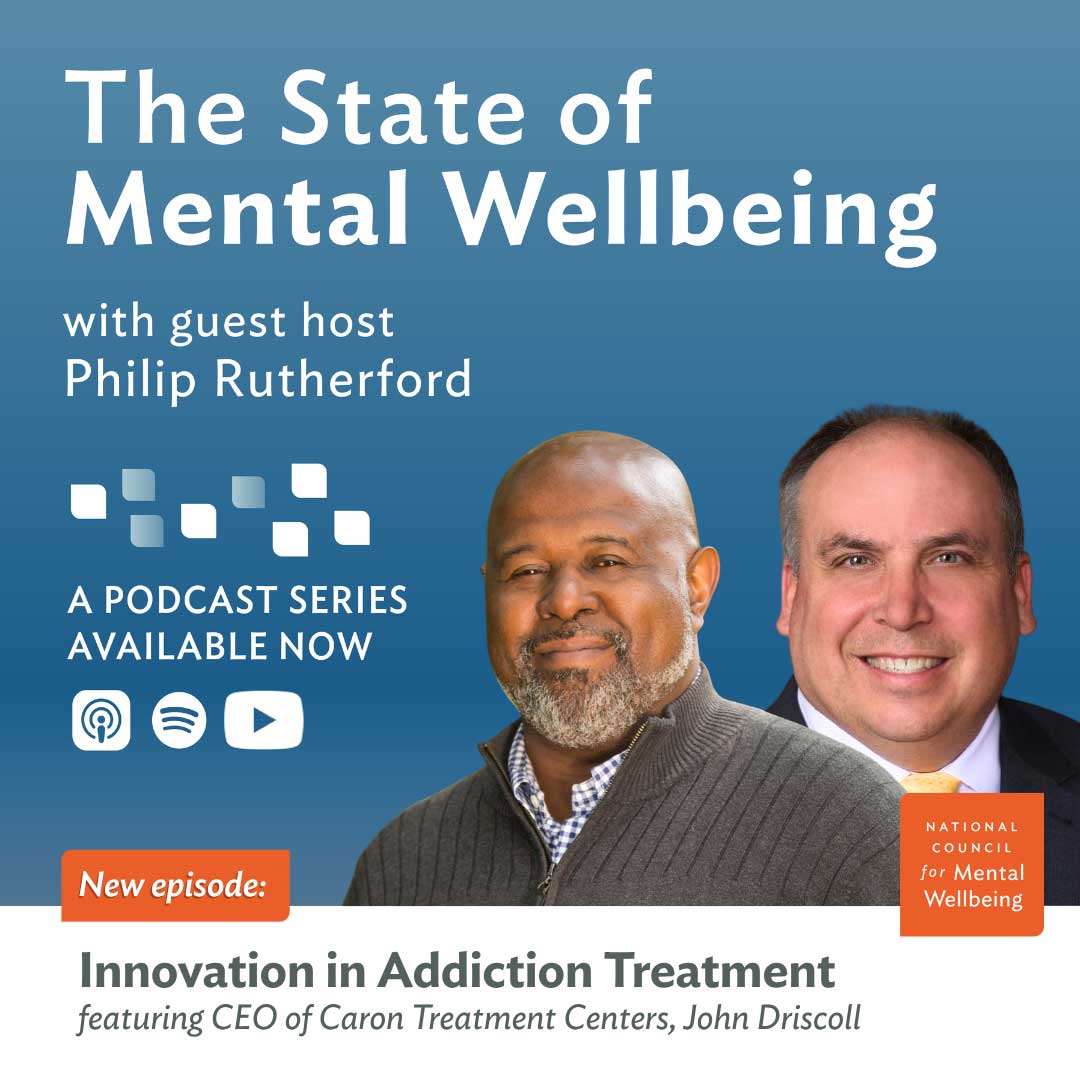
What does the future of addiction treatment look like? In this episode, guest host Philip Rutherford, VP of growth and substance use strategy at the National Council, sits down with John Driscoll, president and CEO of Caron Treatment Centers, to explore how addiction treatment is evolving through neuroscience, objective outcome measures and a deeper understanding of the brain. Their discussion looks to a future where recovery is increasingly guided by evidence-based care, personalized treatment and innovative tools that help providers better understand what drives lasting recovery.
What You’ll Learn
Listeners will come away with a clearer understanding of:
- The increasing focus on the brain and measurable outcomes in addiction treatment
- How objective tools may help providers tailor care and demonstrate treatment effectiveness
- Emerging opportunities like GLP-1 medications, AI, personalized treatments for older adults and gambling disorder care
- How reducing stigma remains central to improving access to substance use disorder treatment
Treating Addiction Like the Health Condition It Is
Over the last several decades, we’ve made significant progress in establishing substance use disorder as a health condition rather than a moral failing. Yet addiction treatment still faces challenges that are less common in other areas of medicine, including stigma, inconsistent outcome measurement and limited use of objective clinical data.
Driscoll argues that the field can keep advancing by adopting practices that are standard across health care. In conditions such as diabetes or hypertension, providers rely on measurable indicators to track symptoms and guide treatment decisions. Addiction care, by comparison, often depends heavily on self-reported information and clinical observation. Driscoll believes the future of addiction treatment includes more objective tools that can help providers assess progress, identify risks and improve outcomes.
The Importance of Brain-based Addiction Treatment
A central theme throughout the episode is the importance of understanding addiction as a brain disorder. Scientific advances have dramatically improved researchers’ understanding of how substances and behaviors affect the brain’s reward and decision-making systems. As a result, providers have new opportunities to approach treatment through a neurological lens rather than focusing exclusively on behavior.
According to Driscoll, this shift has the potential to transform both treatment and public perception. Brain-based approaches can help patients and families better understand the biological realities of addiction while reducing the stigma that often prevents people from seeking care. A greater focus on neuroscience may also lead to more personalized interventions that address the specific factors influencing an individual’s recovery journey.
The Growing Role of Objective Outcomes
One of the most promising developments is the use of objective measurements in addiction treatment. For years, providers have relied on indicators such as abstinence rates, treatment completion and self-reported wellbeing. While valuable, these measures may not always capture the full picture.
Emerging technologies could allow clinicians to monitor biological and neurological factors associated with recovery, including stress responses, sleep quality and changes in brain function. These insights may help providers better understand which interventions are working and when additional support is needed.
Objective outcomes could also strengthen the field by creating more consistent ways to evaluate treatment effectiveness and demonstrate value to payers, policymakers and health systems.
Exploring New Frontiers in Recovery
The conversation also touches on several innovations generating excitement across the addiction treatment landscape. Among them are GLP-1 medications, which were originally developed to treat diabetes and support weight management. Researchers are increasingly exploring whether these medications may also influence cravings and reward pathways associated with substance use disorders.
Although more research is needed, the growing interest in GLP-1s reflects a broader trend: applying advances from other areas of medicine to improve addiction treatment. Driscoll also highlights the potential role of AI in supporting providers. While the technology is still developing, it may eventually help clinicians streamline administrative tasks, identify patterns in care and spend more time focused on patients and recovery support.
Addressing Emerging Challenges
Innovation is also shaping how providers respond to changing community needs. Older adults, for example, often face unique treatment challenges related to chronic health conditions, prescription medications and recovery goals. Specialized programs that account for these factors can help ensure care is tailored to the individual rather than relying on a one-size-fits-all approach.
Driscoll also notes growing concerns around gambling disorder and other process addictions. As online betting and digital gaming become more accessible, providers are increasingly recognizing the need for integrated approaches that address both substance-related and behavioral addictions. These trends underscore the importance of building flexible treatment models capable of responding to evolving behavioral health challenges.
Looking Ahead
While new technologies and therapies may shape the future of treatment, Driscoll emphasizes that innovation must stay focused on improving the lives of people seeking recovery. That means investing in science, reducing stigma and expanding access to quality care. It also means moving beyond crisis response and placing greater emphasis on prevention, early intervention and long-term recovery support.
The future of addiction treatment will likely be defined not by a single breakthrough, but by the integration of neuroscience, evidence-based care and human connection. As the field continues to evolve, these innovations have the potential to improve outcomes, strengthen communities and help more people achieve lasting recovery.
Meet the Guest
As President and CEO of Caron Treatment Centers, John Driscoll leads the organization with a steadfast commitment to its mission of transforming lives impacted by substance use and co-occurring mental health disorders. Serving as Caron’s primary spokesperson and advocate, John embodies the organization’s core values and dedication to advancing recovery. With over 30 years of experience in the addiction treatment field, John brings a wealth of expertise to his role. His career spans a range of leadership positions, from counselor to overseeing recovery services at the Senior Vice President level.

Listen to the Full Conversation
This post highlights the main themes of the discussion, but the full episode offers deeper insight, perspective and practical guidance for behavioral health leaders and clinicians whose decisions are helping shape the future of addiction care.
Stream the latest episode right here, or listen on your favorite platform.