Innovation in Action: Expanding What’s Possible for Nonprofits
- Share
-

-

-

-

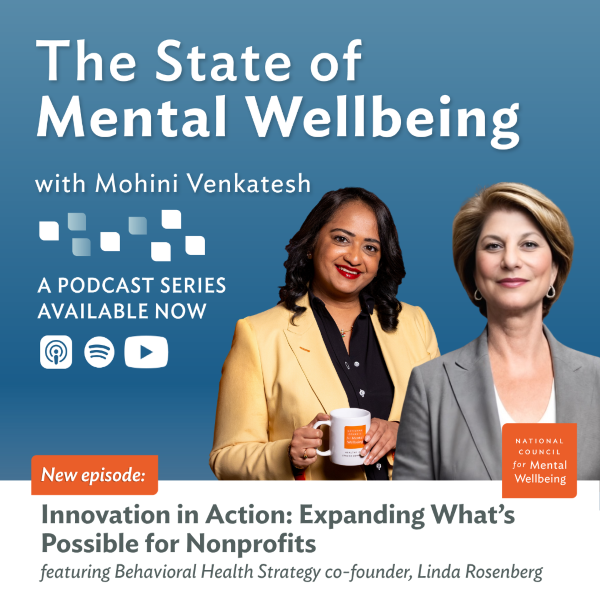
The landscape of behavioral health is constantly evolving, shaped by visionary leaders and innovative approaches. In the latest episode of The State of Mental Wellbeing, Linda Rosenberg and Chuck Ingoglia — two influential figures with over 20 years of combined leadership — share their perspectives on the past, present and future of behavioral health. Their conversation offers invaluable insights for providers, policymakers and anyone passionate about mental health advocacy.
What You’ll Learn
Listeners will come away with a clearer understanding of:
- How the behavioral health care field transitioned from “industry builders” to “system architects” to “market strategizers,” shaping the field through integration, consumer voice and parity.
- Why Certified Community Behavioral Health Clinics (CCBHCs) are foundational for scalable, innovative care, and how they enable organizations to adopt evidence-based practices and sustainable financing.
- How AI and virtual reality are transforming care delivery, improving transparency and supporting both clinicians and patients.
Leadership Insights From Linda Rosenberg and Chuck Ingoglia
Linda Rosenberg and Chuck Ingoglia have steered the National Council through periods of tremendous growth and change. Linda recalls the early 2000s as a time of “industry builders,” when Medicaid expansion and the rise of consumer voices fueled recovery and service development. As the field matured, the focus shifted to “system architects,” emphasizing integration, partnerships and parity — ensuring behavioral health was treated like any other medical condition.
Chuck highlights the transition from clinical innovation to systemwide standards, noting the pivotal role of CCBHCs. These clinics have become a foundation for scalable, innovative care, enabling organizations to embrace evidence-based practices and sustainable financing.
Embracing Clinical Innovation and Technology
A recurring theme in the episode is the need for ongoing clinical innovation. Linda and Chuck discuss the emergence of interventional psychiatry, including treatments like transcranial magnetic stimulation (TMS), ketamine, and psilocybin. They encourage providers to learn from existing models, conduct market research and consider for-profit subsidiaries to bridge gaps in care and expand access.
Technology, particularly AI, is seen as a game changer. AI-driven platforms and virtual reality training are transforming how clinicians deliver care, improve transparency and enhance patient experiences.
Navigating Policy, Partnerships and Workforce Challenges
Linda and Chuck emphasize the importance of policy change, sustainable financing and regulatory clarity. They discuss the complexities of state versus federal oversight and the need for standardization in care delivery. Partnerships — both internal and external — are crucial for advancing clinical innovation and engaging communities.
Workforce development is another key topic. The leaders advocate for ongoing training and support to encourage an organizational culture of innovation, noting that clinical skills must be nurtured alongside a passion for care that serves all people.
Looking Ahead: Vision, Resilience and Community Engagement
As the conversation turns to the future, Linda and Chuck urge leaders to maintain a big vision while recognizing that progress is incremental. They stress the importance of kindness, follow-up and community engagement as core leadership values. Providers are encouraged to embrace new technologies, build partnerships and invest in workforce development to stay relevant and responsive to evolving needs.
Meet the Guest
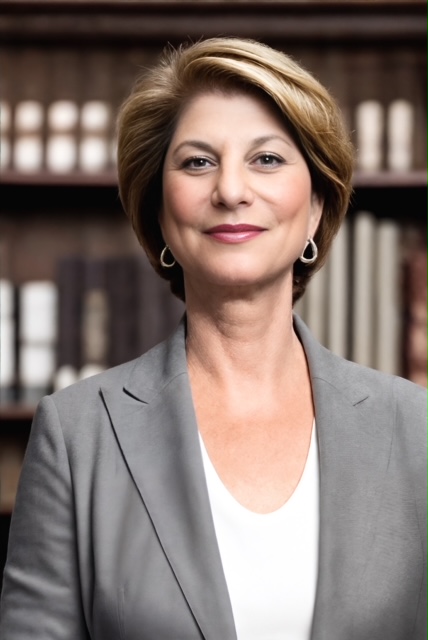
Linda Rosenberg is cofounder of Behavioral Health Strategy, advising early-stage AI tech firms, nonprofits and state associations. Former president and CEO of the National Council for Mental Wellbeing, she expanded membership to 3,300+ organizations and grew revenue from $2M to $55M, leading key initiatives like parity legislation, CCBHCs and Mental Health First Aid USA. Linda previously served as New York’s senior deputy commissioner for mental health, launching innovative programs and expanding services. She is a sought-after speaker and board member for organizations including Cohen Veterans Network, Centerstone Institute, Meadows Mental Health Policy Institute and several behavioral health companies.
Listen to the Full Conversation
This post highlights the main themes of the discussion, but the full episode offers deeper insight, perspective and practical guidance for behavioral health leaders, clinicians, policymakers and anyone interested in advancing mental health care and innovation.
Stream the full episode here, or listen on your favorite platform to hear the complete discussion.