How New York Is Expanding Mental Health First Aid
- Share
-

-

-

-

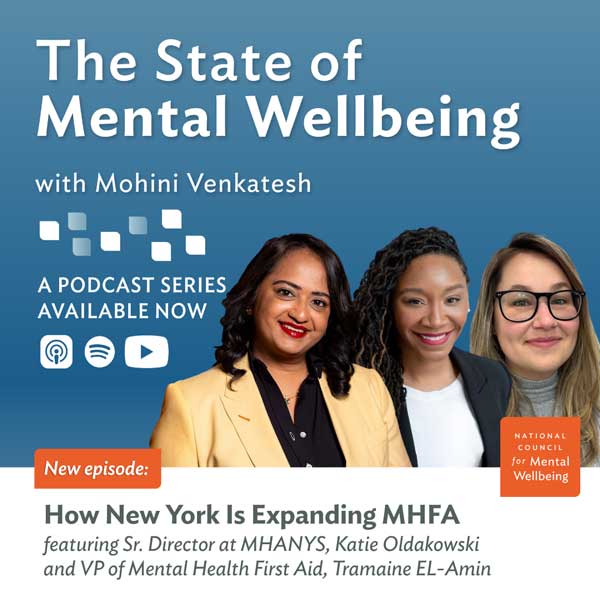
On this episode of The State of Mental Wellbeing: A Podcast on Mental Health & Substance Use, host Mohini Venkatesh sat down with Katie Oldakowski, senior director of training and programs at the Mental Health Association in New York State (MHANYS), and Tramaine EL-Amin, vice president of Mental Health First Aid, training and consulting at the National Council for Mental Wellbeing. Their conversation explored what it takes to scale Mental Health First Aid (MHFA), why community partnerships are so necessary and how New York is building a statewide movement around mental health literacy.
The episode highlights how MHFA can act as a catalyst for broader community change — helping people start conversations, reduce stigma and strengthen local systems of support.
What You’ll Learn
Listeners will come away with a clearer understanding of:
- The role of local champions and credible messengers in making MHFA relevant, trusted and sustainable in communities
- How states can start small, build partnerships, learn from setbacks and embed MHFA into a larger public health strategy
- New York’s Teen MHFA campaign, which aims to reach approximately 186,000 10th-grade students over five years
- How the forthcoming, Humana-funded Communitywide MHFA Implementation Road Map will help expand and strengthen community mental health
What Is Mental Health First Aid?
Early in the conversation, EL-Amin reflected on her experience helping expand MHFA in Philadelphia and explained why the program continues to resonate with communities across the country. MHFA teaches people how to recognize warning signs of mental health and substance use challenges, respond appropriately and connect individuals to resources and professional support.
She emphasized that many people know what to do during a physical health emergency, but far fewer feel prepared to support someone experiencing a mental health challenge. MHFA helps close that gap by providing practical tools and a framework for action.
During the episode, EL-Amin noted that more than 4.5 million people in the United States have been trained in MHFA. (Since this conversation was recorded, the number has officially reached 5 million!) This growing community of Mental Health First Aiders is helping normalize conversations around mental health and substance use.
The Need for Mental Health Literacy
For Oldakowski, the importance of MHFA is deeply connected to her experience working in crisis services.
Before joining MHANYS, she spent years overseeing crisis programs in rural New York communities. While doing that work, she regularly encountered situations where a conversation or intervention earlier on could have prevented a crisis from escalating. Those experiences reinforced the need for greater mental health literacy and early intervention.
One aspect of this literacy is understanding that, as Oldakowski put it, “If you have a brain, you have mental health.” First Aiders know that mental health exists on a continuum and affects everyone, regardless of age, profession or background. With more First Aiders in a community, there are more people equipped to recognize mental health challenges earlier and respond before issues escalate.
The Role of Community Partnerships
A major focus of the episode was New York’s effort to expand MHFA across the state.
MHANYS oversees MHFA training initiatives throughout New York and works closely with state agencies, local partners and community organizations. According to Oldakowski, success has depended heavily on partnerships and local leadership, especially in a state that includes both densely populated cities and dozens of rural communities.
She described how New York’s efforts have grown from smaller initiatives into ambitious statewide implementations, including significant investments in Youth MHFA and Teen MHFA. The organization currently works alongside contracted partner sites and community organizations to help expand access and build sustainable local capacity.
Throughout the conversation, one theme surfaced repeatedly: Champions are crucial.
Whether those champions are educators, advocates, school leaders, government officials or community members, they help identify local needs, secure buy-in and help make MHFA part of everyday practice.
Expanding Teen Mental Health First Aid
New York is celebrating a decade of youth mental health education requirements within schools, and state leaders are now working to expand Teen MHFA even further. Oldakowski shared that the long-term goal is to reach approximately 186,000 10th-grade students over five years. Thousands of teens have already participated through the initiative.
For EL-Amin, Teen MHFA holds unique potential because young people naturally turn to one another when facing challenges. The program helps ensure those conversations are supported by accurate, evidence-based information rather than misinformation or stigma.
The discussion returned to the role of advocacy and local champions in making large-scale youth initiatives possible. According to Oldakowski, people with lived experience, community advocates and other partners are critical to advancing mental health policy and expanding access to mental health education.
Communitywide MHFA Implementation Road Map
Another major topic was the forthcoming Communitywide MHFA Implementation Road Map, developed by the National Council and funded by the Humana Foundation. The resource gives organizations a clear, evidence-informed framework to build a coordinated, sustainable strategy to expand MHFA beyond individual trainings.
EL-Amin described the road map as one of the initiatives she is most excited about this year. Drawing on implementation science, interviews, research and lessons learned from successful statewide efforts, the road map is intended to help communities identify stakeholders, strengthen partnerships and create sustainable implementation strategies.
The goal is to provide practical guidance for organizations that want to move from “we should do this” to “here’s how we make it happen.” Pilot sites, including New York, have already begun testing the resource and providing feedback.
Lesson for Other States
Toward the end of the episode, Venkatesh asked what other states could learn from New York’s experience.
EL-Amin’s answer was simple but powerful: Don’t compare your starting point to someone else’s success story. New York’s achievements were built gradually through advocacy, partnerships, persistence and a willingness to learn from setbacks. Start where you are and build from there, embedding MHFA into a larger mental health strategy.
That message perfectly captured the spirit of the episode. MHFA is helping communities talk differently about mental health, but sustainable progress comes from something bigger: people working together around a shared commitment to mental wellbeing. Through local champions, trusted partnerships and continued investment in mental health literacy, communities can create lasting change — one conversation at a time.
Meet the Guest
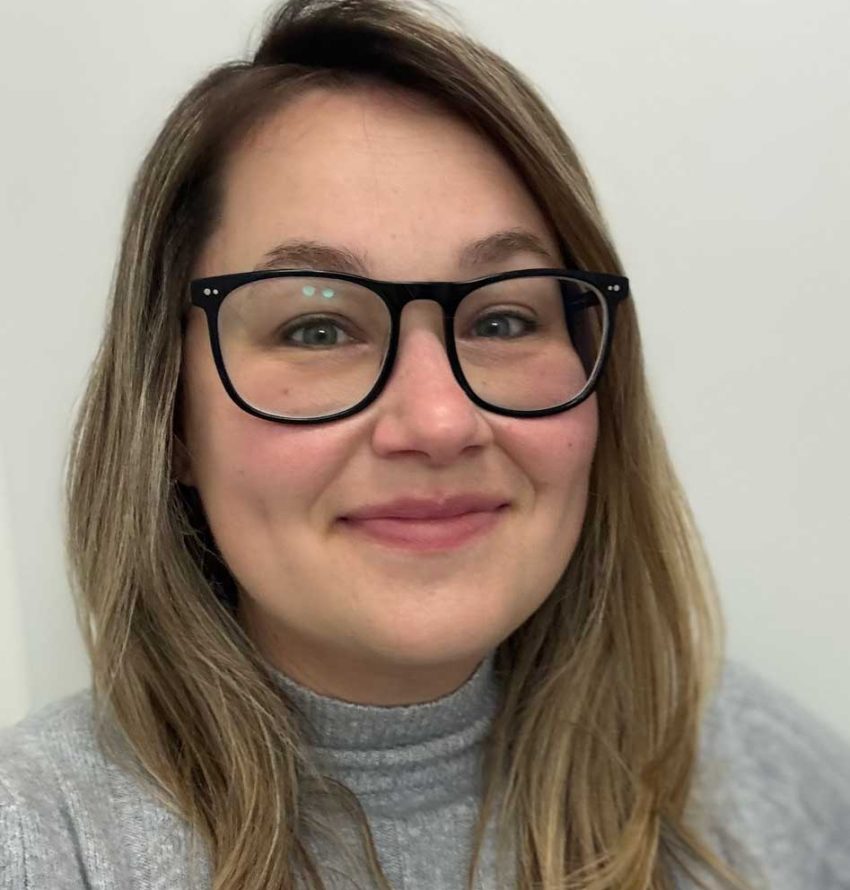
Katie Oldakowski is the Senior Director of Training and Programs at the Mental Health Association in New York State (MHANYS), where she leads statewide mental health initiatives focused on literacy, policy, and advocacy. She brings a background in healthcare and crisis intervention and is dedicated to advancing systemic approaches that improve mental health outcomes across New York State.
Listen to the Full Conversation
This post highlights the main themes of the discussion, but the full episode offers deeper insight, perspective and practical guidance for state and community leaders who want to build mental wellbeing and scale up support.
Stream the latest episode right here, or listen on your favorite platform.