Data-driven Advocacy: Missouri’s CCBHC Success Story
- Share
-

-

-

-

Missouri has become a national leader in the Certified Community Behavioral Health Clinic (CCBHC) movement by using a statewide, community-based approach to expand access to mental health and substance use care.
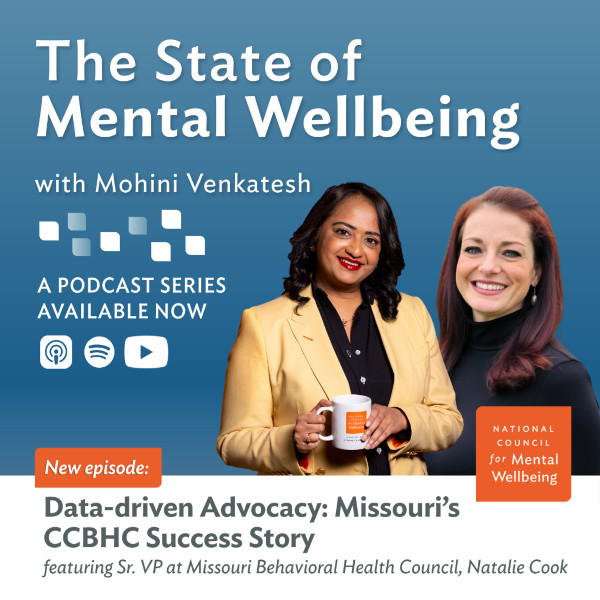
In this episode, Mohini Venkatesh speaks with Natalie Cook from Missouri Behavioral Health Clinic about how Missouri built a strong CCBHC infrastructure through strategic partnerships, school-based care, collaboration with law enforcement, data-driven advocacy and a sustainable payment model. Their conversation offers valuable insight for policymakers, behavioral health leaders and advocates looking to strengthen access to care in their own communities.
What You’ll Learn
- How Missouri used the CCBHC model to expand statewide access to behavioral health care.
- Why school-based services and jail-based care became critical access points for children, youth and populations with unmet needs.
- How the prospective payment system helped clinics grow beyond traditional funding limits.
- What made Missouri’s state-provider partnership durable, collaborative and effective over time.
- Why data, advocacy and cross-sector champions are essential to sustaining the CCBHC model.
Missouri’s CCBHC Story: Expanding Access to Behavioral Health Care
Natalie explains that Missouri’s CCBHC model has dramatically increased access to services across the state, helping make behavioral health care more visible and more available in communities of every size. With CCBHCs operating statewide and serving all of Missouri’s 114 counties, the model has made it easier for people to know where they can find help. Missouri’s experience reflects the broader promise of the CCBHC model, which is designed to expand access to crisis services, coordinated care and community-based treatment.
Why the Prospective Payment System Matters for CCBHC Sustainability
A central part of the discussion focuses on the prospective payment system (PPS), a reimbursement structure that helps clinics cover the full expected cost of providing care. Natalie describes the PPS as one of the key reasons Missouri’s CCBHCs could expand beyond the limits of traditional community mental health funding, especially in settings like schools and jails where billing can be more difficult under fee-for-service models. While calculating a clinic-specific PPS rate is complex, requiring years of learning, refinement and technical guidance, the model has helped put behavioral health providers on more stable financial footing.
Data and the Case for Continued CCBHC Investment
Missouri’s story also shows the importance of data. Natalie explains that state leaders and advocates needed evidence to show that CCBHCs were not only improving access to care, but also delivering value across other systems such as law enforcement, employment and housing. Building that case took time. In the early years, data collection started with spreadsheets. Over time, Missouri developed stronger reporting systems and a data warehouse that could support more meaningful analysis. That foundation now allows state leaders and partners to explore CCBHCs’ return on investment and tell a stronger policy story.
The Future of CCBHCs: A Community Standard for Whole-person Care
Looking ahead, Natalie’s vision is clear: CCBHCs should become trusted, community-based destinations for whole-person care, as familiar and accessible as a local hospital. That vision includes stronger workforce recruitment, deeper community relationships and a future where people know exactly where to turn for mental health and substance use support.
Missouri’s experience offers a practical road map for getting there: Invest in access, support providers with sustainable financing, build partnerships across systems and keep using data to strengthen the case for change. For behavioral health leaders across the country, this episode is both a reflection on how far the field has come and a reminder that the future of community behavioral health will depend on persistence, partnership and policy innovation.
Meet the Guest
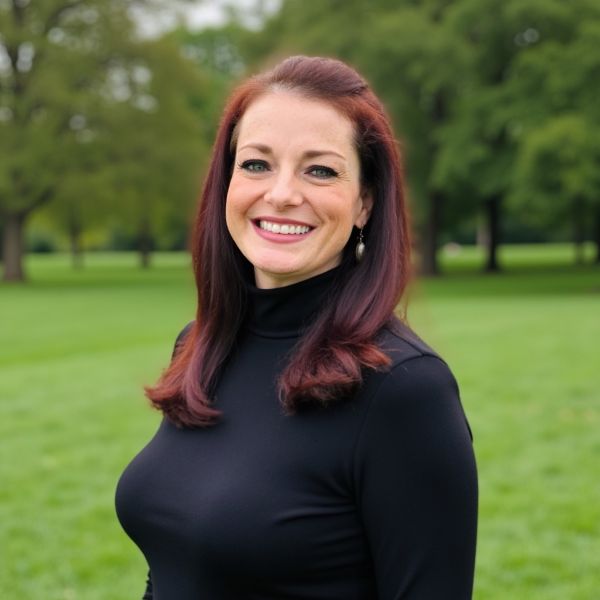
Natalie Cook is the senior vice president of health technology and data solutions at the Missouri Behavioral Health Council in Jefferson City, Missouri. In her current role, she focuses on improving data use and technology in behavioral health, and on policy and quality improvement for Missouri’s CCBHC federal demonstration.
Listen to the Full Conversation
This post highlights the biggest lessons from the conversation, including how Missouri expanded behavioral health access through CCBHCs, strengthened school-based services, partnered with law enforcement and built a data-driven case for long-term investment.
Listen to the full episode to hear more about Missouri’s leadership in the CCBHC movement and what other states can learn from its approach. For more information on Missouri’s CCBHC impact, please visit www.mobhc.org/ccbhc.
Stream the full episode here, or listen on your favorite platform to hear the complete discussion.