The Future of the Diagnostic Statistic Manual (DSM) and Mental Health Care with Dr. Nitin Gogtay
- Share
-

-

-

-

In this episode of The State of Mental Wellbeing, Mohini Venkatesh speaks with Nitin Gogtay, MD of the American Psychiatric Association (APA) about how the future Diagnostic and Statistical Manual of Mental Disorders (DSM) is being shaped to better reflect science, support clinicians and respond to the realities of mental health care today. Their conversation explores the inclusive process behind the work, the challenge of translating research into practice and the effort to create guidance that is both forward-looking and usable in real-world settings.
What You’ll Learn
In this episode, listeners will learn about:
- How the DSM is evolving into a living document shaped by scientific advances in mental health
- Why quality of life and transdiagnostic symptoms matter in psychiatric diagnosis
- How measurement-informed care and emerging biomarkers could improve behavioral health treatment
Why the DSM Still Matters in Behavioral Health
Dr. Gogtay explains that the DSM remains one of the most important shared tools in behavioral health because it gives clinicians a common framework for understanding and documenting mental health conditions. But this conversation makes clear that the goal is no longer just consistency. It is also about making sure the DSM keeps pace with how the field is changing, from new research and broader stakeholder input to the practical needs of clinicians using it every day.
From Static Manual to Living Document
A key theme in the episode is the move toward a living document model. Rather than relying on long gaps between major revisions, APA is thinking about how the DSM can evolve alongside science and practice. Dr. Gogtay also emphasizes that this work must be done carefully. The field needs new information, but it also needs guidance that is practical, credible and ready to use in real-world clinical settings.
Transdiagnostic Symptoms and More Flexible Diagnosis
The conversation also highlights the importance of diagnostic flexibility. Dr. Gogtay explains that many symptoms, such as anxiety, sleep disruption or functional changes, can cut across multiple conditions. In early stages of care, clinicians may not yet have enough information to make an exact diagnosis with confidence. A more flexible model would allow them to document what they are seeing while leaving room for the fuller picture to develop over time. That approach could support better clinical judgment and reduce premature labeling.
How the DSM Could Support Measurement-Informed Care
Another major theme is the connection between diagnosis and measurement-informed care. The episode emphasizes the need for practical tools that help clinicians assess severity, track progress and make more informed treatment decisions over time. By encouraging more consistent and measurable approaches to care, the future DSM could help bridge the gap between scientific knowledge and everyday clinical practice.
Meet the Guest
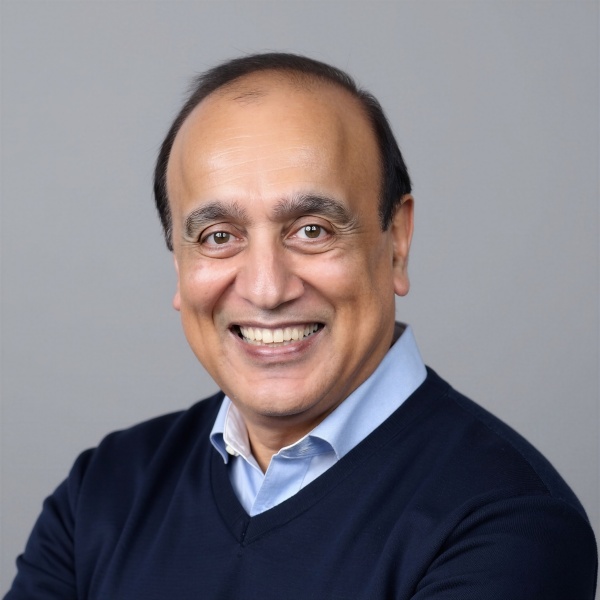
Dr. Gogtay currently serves as Vice President of Research and Deputy Medical Director at the American Psychiatric Association. He oversees DSM development and leads the PsychPRO registry, a national mental health registry designed to generate high-quality longitudinal clinical data to advance quality improvement and real-world evidence. His current work focuses on strengthening the scientific foundations of psychiatric diagnosis by integrating developmental neuroscience, functional outcomes, and population-level data, efforts that contribute to national and international discussions on the future architecture of psychiatric classification and mental health policy.
Listen to the Full Conversation
This post highlights the main themes, but the full episode goes deeper into the future of the DSM and what it could mean for behavioral health care.
Listen to the full conversation for more on diagnosis, care delivery and the future of mental health practice.
Stream the latest episode above, or listen on your favorite platform: