What the Latest Research Says About Alcohol Addiction
- Share
-

-

-

-






Alcohol is deeply embedded in American culture, but growing awareness of its effects on physical health, brain health and emotional wellbeing is changing how people think about drinking.
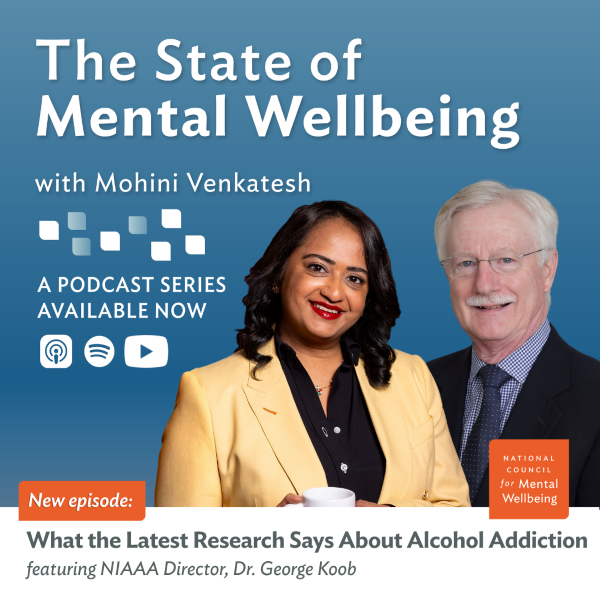
In this episode of The State of Mental Wellbeing, host Mohini Venkatesh speaks with Dr. George Koob about the latest alcohol use trends, promising areas of research and opportunities to improve prevention and treatment. Their conversation also explores how researchers and providers can work together to turn scientific discoveries into better care.
What You’ll Learn
Listeners will come away with a clearer understanding of:
- How alcohol use patterns are changing across age groups and populations
- How alcohol use affects the brain, stress and emotional wellbeing
- Why alcohol screening should become a routine part of health care
- What emerging research may mean for alcohol use disorder treatment
- Why stronger connections between researchers and providers can improve care
Understanding Shifts in Alcohol Use Patterns
As Dr. Koob notes, “there’s good news and bad news” when it comes to alcohol use in the United States. Underage drinking has declined for approximately 25 years, with lower levels of drinking also evident among Generation Z. At the same time, millions of Americans still experience alcohol use disorder each year. Peak drinking now skews older, shifting from people ages 18–24 toward those ages 26–34.
Other patterns warrant greater attention. Dr. Koob explains that women may experience more alcohol-related health effects per drink than men, including earlier liver disease and greater challenges related to anxiety and depression. The discussion also highlights binge drinking among younger women and increased drinking among older adults. These trends reinforce the importance of understanding alcohol use across the lifespan rather than relying on a single picture of who may be at risk.
Why Routine Alcohol Screening Matters
One practical opportunity is to treat alcohol use as a vital sign. Dr. Koob describes an approach developed with Kaiser Permanente in Northern California in which patients are routinely asked how much they drink, just as they would have their blood pressure checked during a medical visit. As he explains, alcohol affects “200 different conditions in the body” and can worsen everything from liver disease to hypertension.
Such conversations are relevant well beyond addiction treatment. Alcohol can contribute to or worsen numerous health conditions, including liver disease, hypertension and heart arrhythmias. Routine screening can help identify concerns earlier, but screening alone is not enough. One of the persistent gaps is connecting patients who need help with a brief intervention or treatment. As Dr. Koob puts it, “They ask someone how much they drink, but then what happens?”
Bridging Research and Clinical Practice in Alcohol Use Disorder
Emerging research offers new possibilities for treating alcohol use disorder. Dr. Koob discusses early clinical research into GLP-1 agonists, including studies showing decreases in alcohol craving and consumption. He emphasizes, however, that researchers still need to understand who may benefit most, how long the effects persist and how these medications work in the brain.
The episode also examines integrated care. Treatment for alcohol use disorder should accompany care for related physical conditions, including alcohol-associated liver disease. At the same time, providers can help researchers understand what patients experience in real-world settings.
“Translational research goes two ways,” Dr. Koob explains. Scientific discoveries can inform treatment, while patterns observed in practice can generate new research questions. Stronger communication among researchers, providers and people receiving care can help promising ideas move from laboratories and studies into communities.
Understanding Alcohol Addiction as a Brain Disorder
Chronic alcohol misuse affects the brain in profound ways. Discussing addiction and executive functioning, Dr. Koob offers a striking description: “It’s like your frontal cortex goes offline.” The result can be impaired decision-making, reduced impulse control and lasting effects on brain health. He explains that chronic alcohol use can alter the brain’s reward and stress systems. Over time, a person may drink not only to feel good but also to relieve emotional discomfort created or intensified by continued alcohol use.
This understanding can help replace judgment with treatment. Dr. Koob argues that stigma remains one of the biggest barriers to care because alcohol use disorder is often viewed as a moral failing rather than a treatable health condition. “It really is a disorder that needs to be treated and can be treated, and from which you can recover,” he says.
Social connection also plays an important role. Family and peer environments can influence early alcohol use, while isolation and loneliness may contribute to continued drinking. For families supporting someone in recovery, Dr. Koob recommends approaching concerns constructively and without judgment while helping the person connect with appropriate care. His central message is both simple and hopeful: “Recovery is possible.”
Meet the Guest
Dr. George Koob is director of the National Institute on Alcohol Abuse and Alcoholism. He is also a senior investigator at the Intramural Research Program of the National Institute on Drug Abuse, where he directs the Neurobiology of Addiction Laboratory in the Integrative Neurosciences Research Branch. As an authority on alcohol use disorder, addiction and stress, he has contributed to our understanding of the neurocircuitry associated with the acute reinforcing effects of alcohol and drugs and the neuroadaptations of the reward and stress circuits associated with the transition to dependence.

Listen to the Full Conversation
This post highlights the main themes of the discussion, but the full episode offers deeper insight, perspective and practical guidance for mental health and substance use providers, researchers, health care leaders, prevention professionals and anyone interested in how alcohol research can improve treatment, recovery and community wellbeing.
Stream the latest episode right here, or listen on your favorite platform.