How Growing Strong Leaders Improves Behavioral Health Care
- Share
-

-

-

-






Strong mental health and substance use care organizations depend on strong leaders. But as workforce pressures, changing community needs and operational complexity grow, leadership cannot be left to chance.
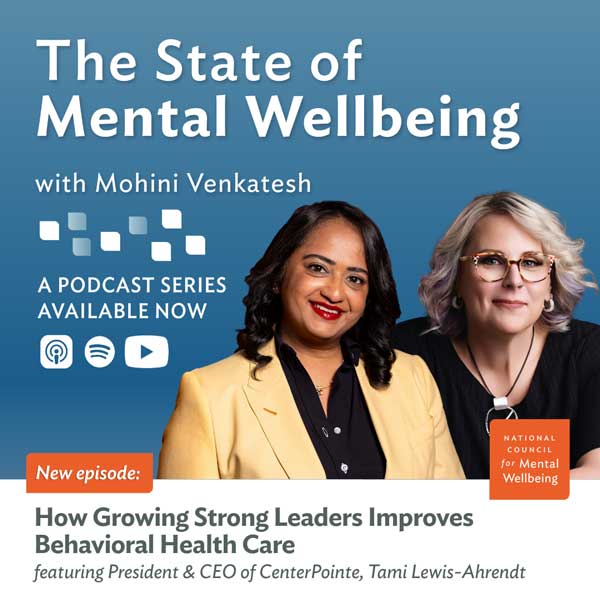
In the latest episode of The State of Mental Wellbeing, host Mohini Venkatesh sits down with Tami Lewis-Ahrendt, president and CEO of CenterPointe, to discuss why leadership development is essential to workforce retention, organizational culture and quality care. Their conversation explores how leaders are built, how psychological safety supports growth and what it takes to guide teams through change.
What You’ll Learn
Listeners will come away with a clearer understanding of:
- Why leadership development matters for employee engagement, retention and quality of care.
- How psychological safety helps emerging leaders learn from mistakes.
- Why strong clinicians still need training to become effective supervisors.
- What leaders can learn from mergers, workplace culture change and community context.
- How feedback and “powerful decision-making” can shape the next generation of leaders.
Leadership Is a Skill Set, Not a Title
One of Lewis-Ahrendt’s clearest messages is that leadership is a learned skill. “Leaders aren’t born, they’re built,” she says, explaining that organizations must help employees develop before the next role opens. At CenterPointe, leadership development began as a strategy to engage and retain staff, but it has become a broader investment in workplace culture, decision-making and care delivery.
Building Organizational Culture Through Psychological Safety
For Lewis-Ahrendt, the difference between management and leadership is culture. Managers can follow protocols; leaders help people move through uncertainty, stay connected to the mission and learn from mistakes. A major part of that is psychological safety — creating an environment where people can fail, reflect and grow.
“If you know I have your back even when you get it wrong, and that we’re going to learn from that together, it changes the way people lead,” she explains. Vulnerability from leaders sets the tone: Mistakes are not the end of the conversation, but the beginning of growth.
Coaching People to Make Better Decisions
When employees come to Lewis-Ahrendt for answers, she often asks, “What is your best guess?” The question builds discernment and confidence rather than dependence on one decision-maker. She calls this “powerful decision-making” — helping people gather information, make thoughtful choices and learn from the outcome.
Lessons From CenterPointe’s Merger Experience
The episode also explores lessons from CenterPointe’s merger experience. On paper, the transition seemed straightforward. In reality, the organization inherited a workforce shaped by a different philosophy, culture and community context.
Lewis-Ahrendt’s advice for other leaders is direct: “Don’t underestimate the impacts of the community in which the organization sits and the impacts that it has on the culture.” Organizational culture change takes proximity, repetition and patience. Leaders must explain the “why” behind decisions, because people will fill in the gaps with familiar habits if they do not understand the new approach.
Practical Tips for Behavioral Health Leaders
When asked what helps the workforce thrive, Lewis-Ahrendt names opportunity, support and radical candor. But support does not mean removing every challenge. Sometimes it means helping employees build the skills to solve problems themselves. She emphasizes that clarity can be an act of kindness: “You can be gentle, and I think you can be kind, but being clear is both of those things.”
Feedback must also move in more than one direction. Employees need to know how to receive feedback, and supervisors must be open to hearing where they missed the mark. For Lewis-Ahrendt, the signs of success can be seen at every level: a stable employee base, leaders people want to follow, and better care for the people the organization serves.
Meet the Guest
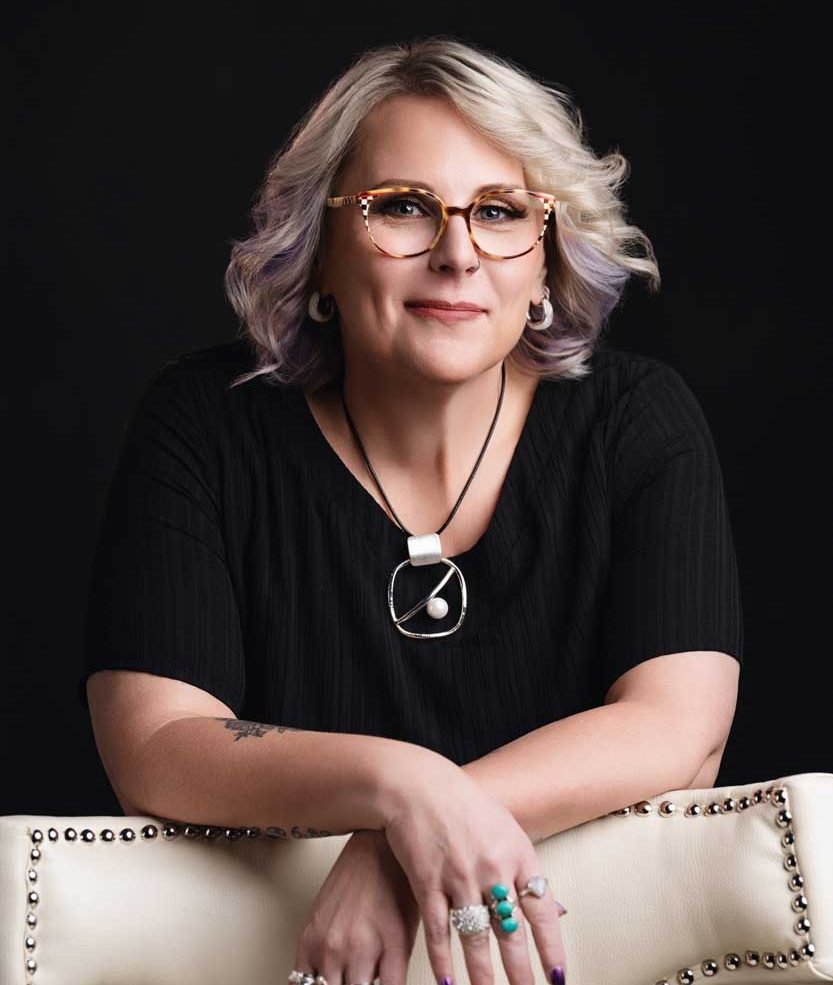
Tami Lewis-Ahrendt has spent more than 15 years in leadership roles at CenterPointe, helping expand access to behavioral health care in Nebraska. During that time, she has helped transform the organization’s culture, led the acquisition of the Campus for Hope, and guided the rollout of innovative programs including Integrated Care Teams and CenterPointe’s Certified Community Behavioral Health Clinic.
Listen to the Full Conversation
This post highlights the main themes of the discussion, but the full episode offers deeper insight, perspective and practical guidance for behavioral health executives, emerging supervisors, clinical leaders, HR professionals and anyone working to strengthen culture in mental health and substance use care organizations.
Stream the latest episode right here, or listen on your favorite platform.