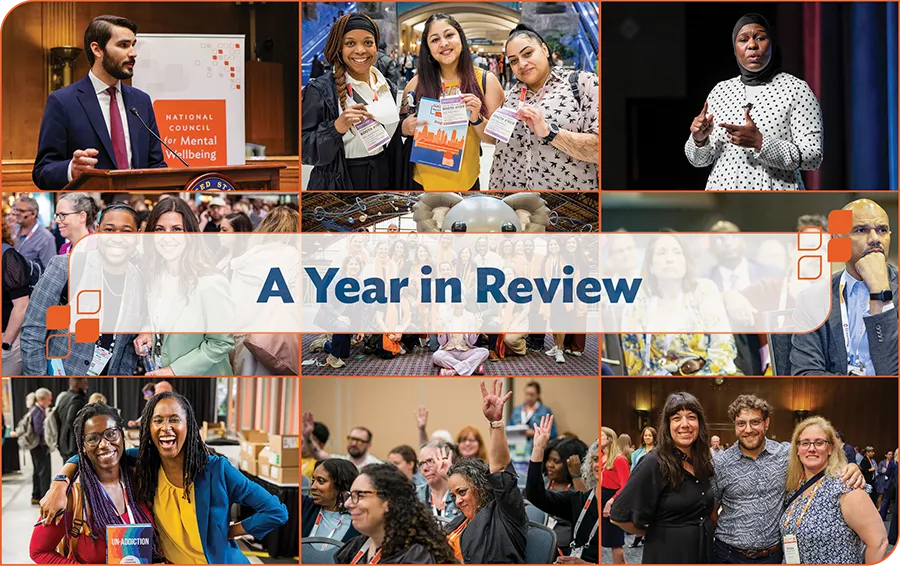
In 2025, we saw what’s possible when people come together with passion, purpose and persistence. Across the country, communities, advocates and providers stepped up to meet mental health and substance use needs with courage and innovation, and we were right there with them every step of the way. This annual report highlights what we accomplished together and the work we’re doing to ensure mental wellbeing — including recovery from substance use — is a reality for everyone, everywhere.
A Message from Our Leadership
“We believe mental wellbeing is achievable for everyone — including individuals living with or recovering from mental health or substance use challenges — and that it is the foundation for a strong, healthy and fulfilling life.”
A Year in Review
Championing Advocacy and Policy Change
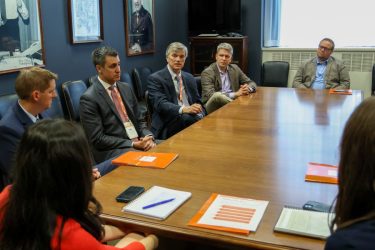
We continued to champion policies that expand access to mental health and substance use care while protecting the programs communities rely on. In doing so, we helped build a stronger, more accessible and more resilient behavioral health system:
- Securing federal policy wins: When H.R.1 passed with sweeping Medicaid changes, we helped secure key exemptions for people with mental health and substance use conditions. We also ensured Certified Community Behavioral Health Clinics (CCBHC), community mental health centers and opioid treatment programs were included in the Rural Health Transformation Program. And we advanced the bipartisan Ensuring Excellence in Mental Health Act, supported reauthorization of the SUPPORT Act and worked to protect federal funding that sustains behavioral health services.
- Shaping federal regulations: We played an active role in shaping federal policy by submitting comments on 15 major federal rules, while equipping our members with timely analysis and customizable tools to participate effectively. We also guided members through new executive orders and advocated for extensions of critical telehealth flexibilities, including delays to Medicare in-person visit requirements and a one-year continuation of teleprescribing authority for controlled substances.
- Mobilizing advocates for impact: With our support, advocates raised their voices for mental wellbeing, generating 45,255 advocacy actions and bringing more than 9,100 new advocates into our campaigns. We supported 41 states in issuing Mental Health Awareness Month proclamations and reached 100% of congressional offices with our policy priorities. We also strengthened relationships with federal leaders through fly-ins and more than 250 congressional meetings during Hill Day 2025.
Strengthening and Expanding the CCBHC Model
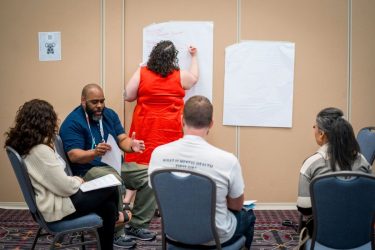
We advanced the CCBHC model by strengthening policy alignment, expanding systems-level capacity and supporting implementation efforts that improve access to care. In doing so, we helped communities deliver more coordinated, sustainable services:
- Expanding CCBHCs across states: In partnership with the National Association of State Mental Health Program Directors, we announced a multistate pilot to expand access to CCBHC services in Illinois, Kansas and Michigan. The initiative is supported by a historic $72 million investment from Ballmer Group Philanthropy, its largest commitment to CCBHCs and one of its most significant behavioral health investments to date.
- Advancing treatment and peer support: We launched targeted learning collaboratives to strengthen care within the CCBHC model, including a seven-month, no-cost Project ECHO initiative supporting organizations in SAMHSA’s CCBHC expansion grant program as they expand the use of medications for addiction treatment. We also launched a six-month collaborative providing funding, expert training and technical assistance to enhance peer recovery support through the Recovery-oriented Peer Integration Framework.
- Elevating CCBHCs at the federal level: Throughout the year, we deepened engagement with policymakers to ensure CCBHCs were included in the president’s budget and positioned the model as a key strategy to reduce homelessness and expand community-based services.
Building a Stronger Behavioral Health Workforce

We addressed workforce shortages by advancing an education and workforce strategy designed to equip organizations to meet growing demand. In doing so, we helped strengthen the pipeline and support the current workforce:
- Growing workforce pipelines: We expanded the National Mental Health Workforce Acceleration Collaborative, powered by Kaiser Permanente, to seven states, helping address workforce shortages by providing financial support, mentorship, training and peer support to licensure candidates.
- Scaling evidence-based care models: We developed learning collaboratives focused on integrated care, peer integration and youth systems of care, helping organizations translate evidence into practice and strengthen care delivery. We also established a new partnership with the National Association of Community Health Centers to accelerate the adoption of integrated care nationwide.
- Improving clinical quality standards: Through the Medical Director Institute, we updated Improving Utilization of Long-acting Medications: Toward Standardized Measures, the first standardized performance benchmarks for initiating and continuing long-acting medications for psychotic disorders, bipolar disorder, opioid use disorder and alcohol use disorder.
- Educating the field: We convened nearly 6,000 health care leaders in Philadelphia for NatCon, our annual conference. For three days, attendees heard from hundreds of experts, networked with peers, explored new technologies and discovered solutions for increasing access to care in their communities.
- Keeping providers informed: We supported behavioral health organizations in navigating emerging issues and trends by delivering expert-led learning — including webinars, collaboratives and virtual trainings — that equips them to better support the people and communities they serve.
Advancing Substance Use Prevention, Treatment and Recovery
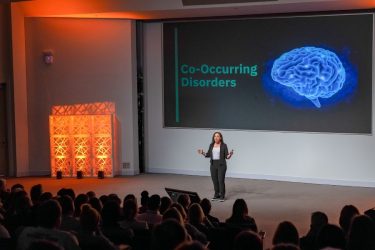
We increased our efforts to advance evidence-based care and equip organizations with tools for overdose prevention, coordinated care and long-term recovery. In doing so, we helped communities respond more effectively to the substance use crisis:
- Building local prevention capacity: With support from the Centers for Disease Control and Prevention (CDC), we provided six months of grant funding and mentorship from national experts and past cohorts to 18 community behavioral health organizations, strengthening overdose prevention, expanding evidence-based practices, improving linkage to care and enhancing peer support.
- Raising national awareness: Through Start With Hope, a national public education campaign developed with the CDC, the Ad Council and Shatterproof, we encouraged individuals, families and providers to rethink their relationship with substances and connect with evidence-based resources.
- Strengthening coordinated treatment: We released expert guidance and resources to keep providers informed and supported, including a Substance Use Hub; Challenges in Standardizing SUD Care Coordination issue brief; Over-the-Counter Naloxone Messaging Guide; an updated Guide to Long-Acting Medications (LAMs); and Recovery-Ready Families, a framework developed with Facing Fentanyl.
- Promoting recovery-oriented care systems: Together with the American Academy of Addiction Psychiatry’s Opioid Response Network, we launched a webinar series on implementing Trauma-Informed, Recovery-Oriented Systems of Care (TI-ROSC) to help communities strengthen their prevention, treatment and recovery efforts.
Growing the Impact of Mental Health First Aid
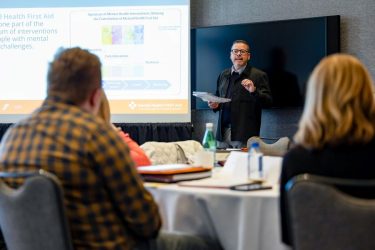
We expanded the reach and impact of Mental Health First Aid (MHFA), an evidence-based training program with a growing presence in communities across the country. In doing so, we’re helping build a more informed, prepared and compassionate society:
- Achieving a training milestone: We surpassed 4.5 million individuals trained, equipping people across the country with the skills to identify, understand and respond to mental health and substance use challenges.
- Helping young people thrive: We helped train 55,965 young people across the country through Teen MHFA and partnered with New York State to secure $10 million to support statewide youth and Teen MHFA programs.
- Improving program visibility: We reimagined the MHFA website, produced new storytelling content — including a case study video with the UNC-Chapel Hill School of Social Work — and launched a new MHFA at Work e-commerce store.
- Amplifying national awareness: MHFA earned media placements in more than 1,125 outlets — including the Los Angeles Times and Psychology Today — while strategic partnerships with Harry’s Team Changing Minds, Erborian and others extended our reach even further.
- Celebrating program excellence: We marked the 25th anniversary of Mental Health First Aid (MHFA) International, celebrating its growth from a single course in Australia to a global movement. Since bringing MHFA to the U.S. in 2008, we’ve continued to expand its reach nationwide.
2024/2025 Financials
View our 2024-2025 Consolidated Statement of Financial Position and Consolidated Statement of Activities for a snapshot of our financial health and how we’re putting resources to work to advance our mission.
Our Appreciation
We’re grateful to our Board of Directors for their continued guidance and leadership, and to our valued National Council Partners for their ongoing support.
We also extend our sincere thanks to the distinguished donors whose generosity continues to advance our mission in meaningful and lasting ways.